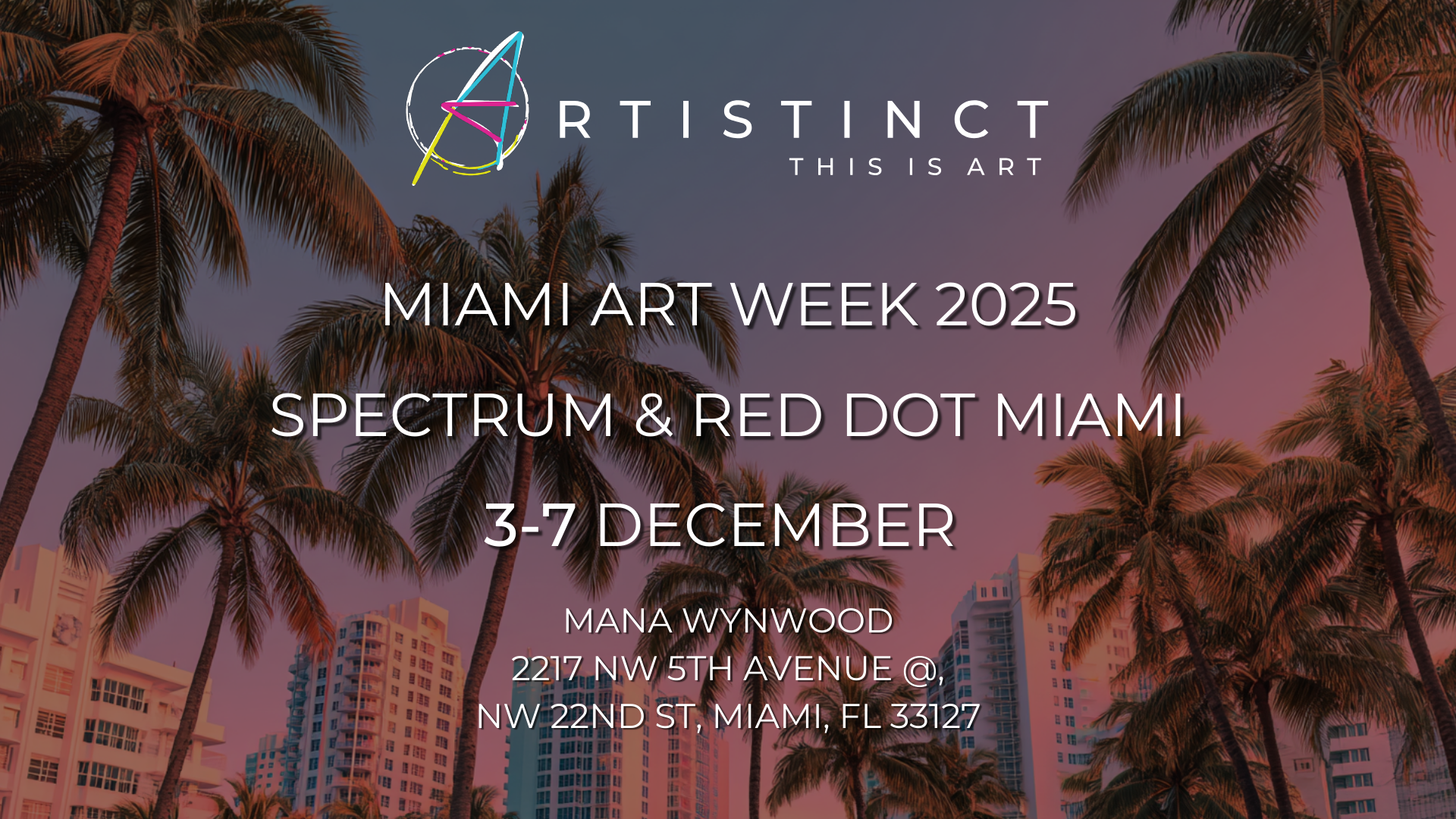
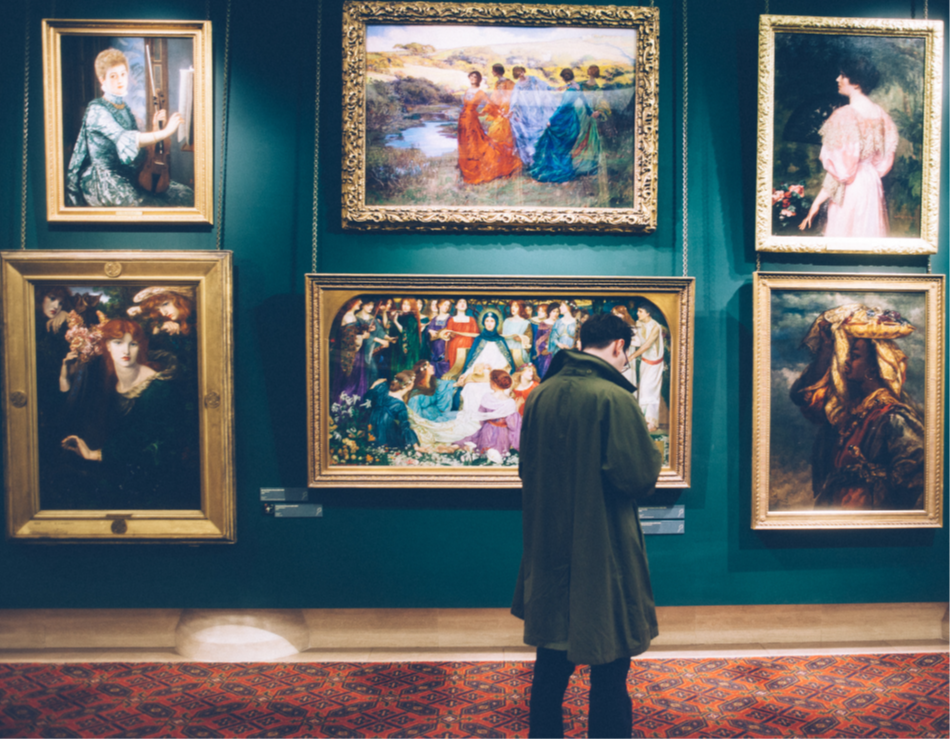
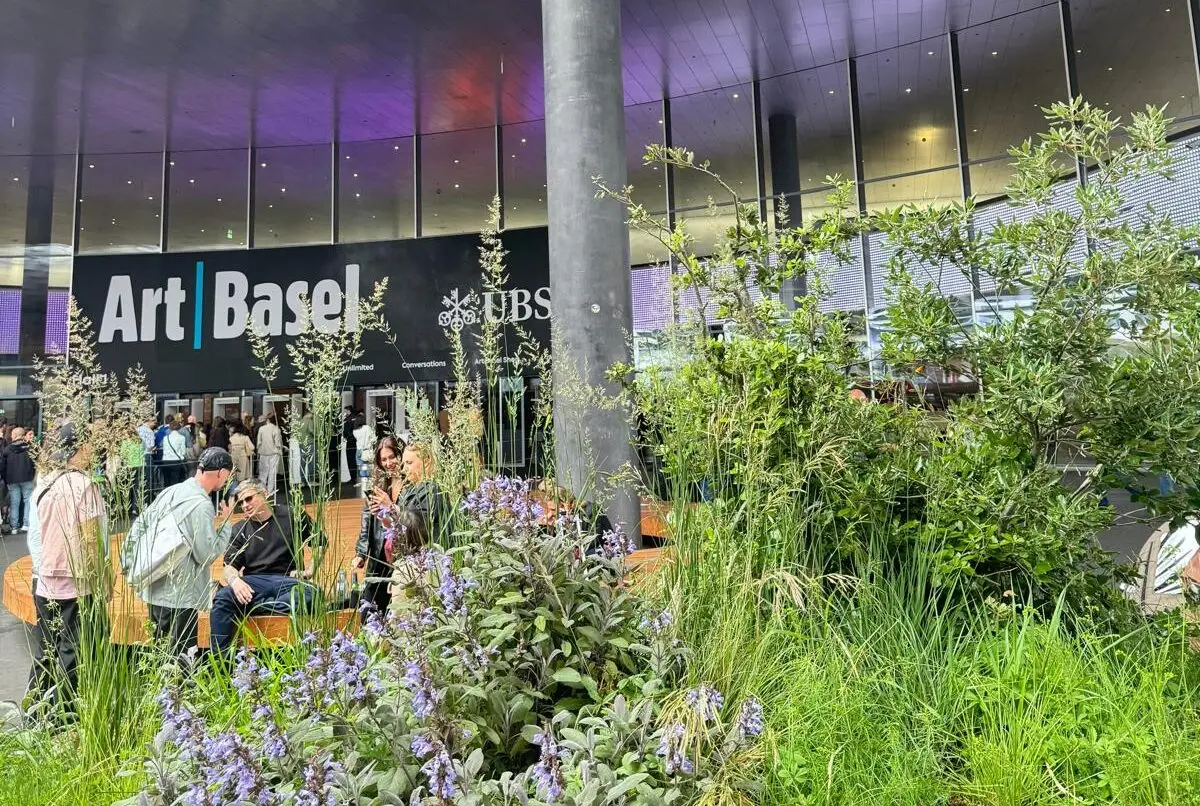
December in Miami is not like any other month: it is the seismic epicenter of the art world. The tropical and frenetic atmosphere hides a ritual that attracts collectors, critics, gallery owners, and curious onlookers every year. Miami Art Week is the moment when art ceases to be confined to museums and becomes the most vibrant, and sometimes ruthless, currency on the planet.
Category: Art
๐จ Art Living Room: where art finds its truest space
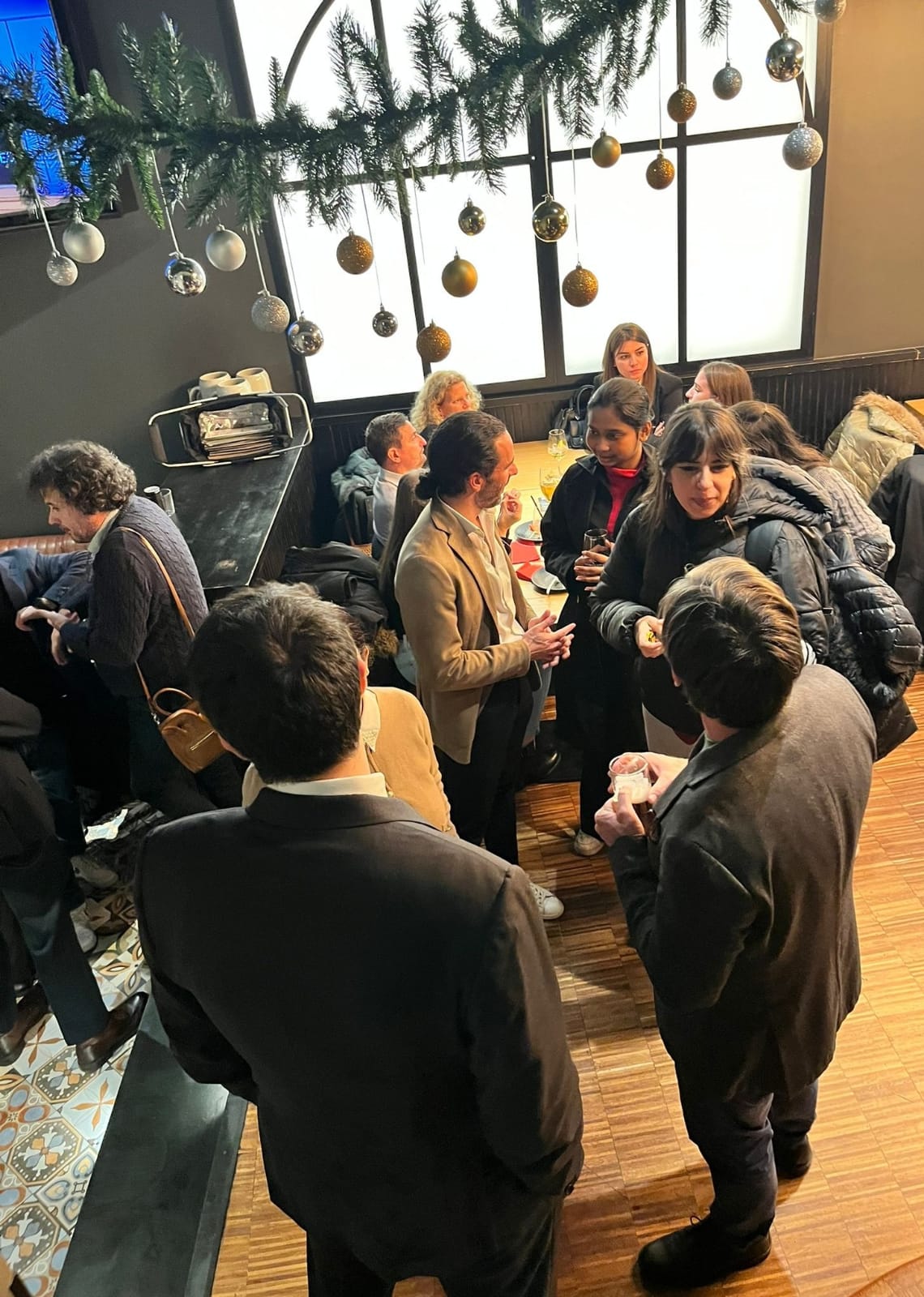
On Tuesday, November 25, 2025, in the small side streets near Milan Cathedral, the Spiller Duomo brewery had a different atmosphere. Anyone passing by could sense that, for one evening, the usual 6:30 p.m. aperitif had turned into something more: a real meeting place, filled with conversations that sought depth rather than superficiality.
Beyond the Marketplace: ARTISTINCT and the New Paradigm of Art Ikigai for Careers and Investment in Art
In an increasingly fragmented and information-saturated global landscape, contemporary professionals in every sectorโfrom high finance to art curationโare obsessed with the search for Purpose. This "higher purpose" is no longer a philosophical luxury, but a strategic imperative for personal growth and long-term success. The art world, by its very nature the guardian of meaning and transcendence, is no exception. Indeed, it is perhaps the place where the need to align vocation, competence, and opportunity is most acute.
The Future of Art is Synergistic: Putting Art Back at the Center of the System
The art market is in systemic crisis, but not due to a lack of quality or capital. The real dysfunction is a deep structural fracture: the absence of dialogue between its players. This ecosystem is failing to support new creative generations, crystallized in closed circuits that systematically exclude emerging talent.
Art and Finance: Breaking a Taboo to Build a New Cultural Future
Try talking to a professional in the art world. Everything flows between beauty, vision, and cultural impact. Then say the word "investment" or "economic return." Suddenly, silence falls. Eyes drop.
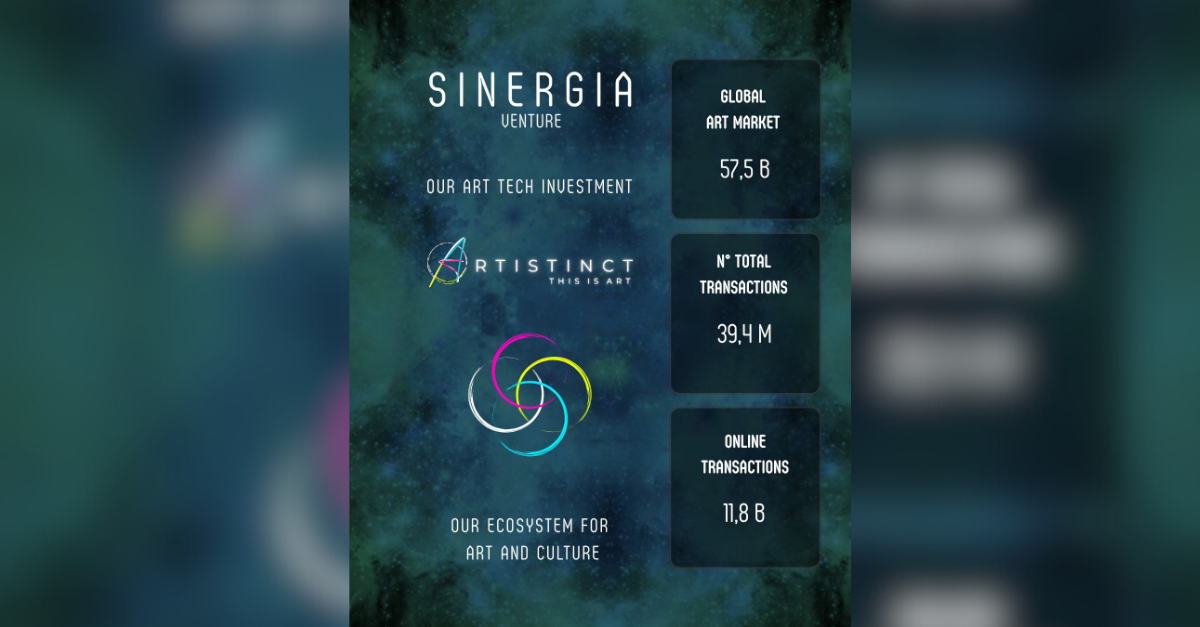
Sinergia Venture invests in Artistinct: when venture capital meets art
The holding company of Massimo Pozzi Chiesa, former Vice President of Italmondo, is betting on a young company that promises to revolutionize the way art, technology, and culture interact with each other. The amount of the transaction has not been made public, as is common practice in the world of venture capital, but the ambitions are clear: to create an integrated digital ecosystem for the cultural sector, capable of bringing together professionals, enthusiasts, and collectors on a single platform.
Art and finance: the curator as investment strategist

In today's world, art is no longer just an aesthetic or spiritual experience: it has also become an economic lever, a tool for social positioning and, increasingly, a financial asset. In this rapidly changing scenario, the art curator plays a crucial role, not only as a cultural mediator, but also as a strategic figure in the art market and in the alternative investment landscape.
A key figure between culture and the market
Traditionally, art curators are responsible for designing, organizing, and developing exhibitions, selecting works, and coordinating relationships between artists, institutions, and the public. However, over the last twenty years, thanks to the growing financialization of art, this role has expanded, becoming increasingly cross-disciplinary. Today, curators no longer limit themselves to shaping visual or conceptual narratives: they are often also consultants, advisors, and "trend hunters" capable of influencing the market value of a work or the career of an artist.
In a context where art is also considered an asset class, curators can make a decisive contribution to the construction of an art portfolio. They do so through their in-depth knowledge of the contemporary scene, art history, and the dynamics that govern fluctuations in the economic value of works of art. In this sense, their influence can be compared to that of a financial analyst.
Professional collaborations: between gallery owners, critics, and art advisors
The curator's work is based on a complex network of relationships. They collaborate with gallery owners, who provide them with direct access to artists and exhibition spaces; with art critics, who amplify the visibility of exhibitions; and with museums and foundations, which legitimize their work at an institutional level. But their activity is also intertwined with figures more specifically linked to the market, such as art advisors, appraisers, and experts in art law.
The latter, for example, are essential when it comes to authenticating works or handling sensitive issues related to provenance. Art advisors, on the other hand, often work closely with curators to select the most suitable works for a collector or investor, ensuring a balance between cultural value and potential economic appreciation.
In some cases, especially in large international centers such as New York, London, or Hong Kong, curators collaborate directly with hedge funds, family offices, and private banking companies. It is not uncommon for a well-curated exhibition (literally) to have a direct impact on an artist's market value. A placement at an important fair or museum can cause a surge in the price of works. In these cases, the curator becomes an almost "speculative" figure, capable of influencing the dynamics of demand.
Curatorship and finance: an increasingly close dialogue
The interaction between curation and finance is even more evident at major international art fairs (Art Basel, Frieze, TEFAF), where the line between exhibition and investment becomes blurred. Some curators are hired directly by private collectors or investment funds specializing in art to build coherent collections capable of increasing in value over time. In other cases, they are involved in the management of structured funds, in which works of art are part of a diversified portfolio.
A prime example is the figure of the "corporate curator," found in many large companies that invest in art as a form of branding, cultural benefit for employees, or reputational positioning. Here, the curator also takes on a managerial and strategic role, capable of combining artistic vision and image return.
Art, value, and trust
Of course, the inclusion of art in financial circuits raises a number of questions: how is the "value" of a work established? What are the objective indicators, and how much do narrative, exhibition context, and the reputation of the actors involved matter? In this context, the curator becomes a figure of guarantee, whose know-how can mitigate the typical risks of the art market: opacity, speculation, and unpredictable fluctuations.
In many cases, investor confidence depends on the reputation of the curator involved: a well-constructed exhibition, an effective critical text, and a coherent selection can transform a still unknown work into an interesting investment. Curators often find themselves having to balance cultural responsibilities with market logic, seeking a balance between ethical values and strategic choices.
An evolving role
The future of the art curator will increasingly depend on this delicate balance. On the one hand, there is the need to preserve the critical and intellectual autonomy of their work; on the other, there is the ability to engage with an ecosystem in which art is increasingly integrated with market and investment logic.
Will it be possible to maintain curatorial quality and freedom of thought in a context dominated by economic interests? Or does the curator risk becoming definitively a figure of service to the market, losing his original function as interpreter and cultural guide? The challenge is open, and concerns not only those who work in art, but also those who continue to seek meaning in it.
At Artistinct, we believe that the role of the curator is becoming increasingly important and is constantly evolving, to the point that it can be considered a real investment: it is a key profession that determines both the development of the individual artists represented and that of companies or other figures, such as art advisors, gallery owners, and investors, with whom artistic and economic collaborations are established.
Discover the INVEST area of Artistinct

Beyond the frame: why art has become a true asset class
Those who invest in art today are no longer just collectors driven by passion, but often also strategic investors who recognize artworks as a safe haven and a means of diversifying their portfolios. While the market once seemed reserved for the informed elite and London auctions, today everything has changed: digital channels have opened up gaps where there were once walls. Collecting has become accessible, the dynamics more fluid, and the figure of the cultural investor has been transformed.
With an average annual return exceeding 12% between 1995 and 2022 for contemporary art (higher than the famous S&P 500 during the same period), the sector offers concrete prospects. And "passion assets," which include design, photography, and collectibles, are experiencing steady growth, especially among the younger generations, who are looking for objects with soul, not just value.
Artistinct: an ecosystem that speaks to the future
This is where INVEST comes in, with a clear and ambitious goal: to make artistic investment democratic, informed, and sustainable. INVEST was created not only to attract capital, but also to build a genuine bridge between the worlds of culture and economic return, promoting a new vision of art as an accessible asset that generates value.
Artistinct is not just a marketplace, but a curated ecosystem designed to facilitate dialogue between artists, galleries, investors, and collectors. Through transparent, accessible, and innovative tools, every player in the system can actively participate, navigating with awareness between artistic opportunities and potential returns.
The various sections that make up the offering are not isolated compartments, but interact with each other, offering a layered, consistent, and comprehensive investment experience that enhances both the work and those who support it.
NFTs and Blockchain: the signature of digital art
At the heart of Artistinct's offering is the NFT section, dedicated to blockchain-certified digital art. Here, purchasing is no longer just physical: each work is unique, traceable, and recorded on a blockchain that guarantees its authenticity. NFTs are no longer a fad, but a tool: they offer transparency, reduce the risk of counterfeiting and, in some cases, allow for fractional ownership. This means that even small investors can enter the market, support emerging artists and diversify their portfolios.
Artistinct carefully selects digital artists, promoting works with aesthetic and economic growth potential.
Art and Design
Artistinct offers a selection of artworks and design objects by artists with varying levels of experience, from emerging to established. The diverse and structured catalog covers a wide price range, making investment accessible to both new collectors and more experienced investors.
Services: consulting, visibility, support
Artistinct is not just a platform for purchasing artworks, but an ecosystem designed to offer concrete services to both artists and investors.
For those who choose to invest, Artistinct provides a network of art professionals, including consultants, curators, and art advisors who accompany you every step of the way: from the evaluation of works to the management of collections, to the planning of investments based on market analysis and prospects. Personalized support, designed for those seeking an informed investment based on concrete data and reliability criteria.
Auctions and temporary opportunities: the pace of the market
The auction section is a dynamic space where the works on offer are selected for their potential for appreciation, aesthetic impact, and uniqueness. Each auction is also a moment of access: an opportunity to come into contact with quality works at competitive prices, often lower than those found through traditional channels.
Between cultural heritage and emotional capital
Buying art today is not just a financial investment. It is choosing to believe in something unique, in those who have the courage to create, in beauty that stands the test of time. In a world that pushes everything toward uniformity, art remains a space where difference still has value.
Artistinct was born from this belief. It is not just a platform for viewing art, but for truly experiencing it: choosing it, supporting it, bringing it into your life. It is also a smart investment.
Urban Revolution: Looperfest 2025, Ten Years of Synergy between Business and Creativity.
Milan is ready to explode with color! From June 13 to 15, 2025, the city will become the stage for an event that has redefined the global urban art scene for a decade: Looperfest. Now in its tenth edition, this iconic festival, created by Loop, the Italian spray paint brand renowned for its quality and sustainability, celebrates a milestone that goes far beyond numbers: it is a true celebration of culture and creativity.
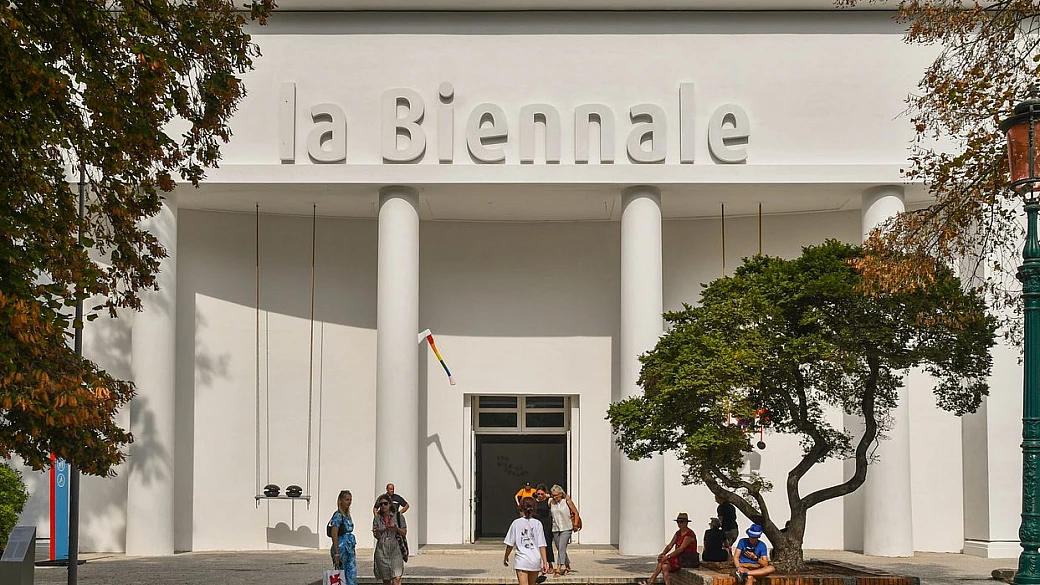
Venice Architecture Biennale 2025: Architecture Becomes Even More Global
From May 10 to November 23, 2025, Venice will become a crossroads of ideas, innovation, and visions for the future with the 19th International Architecture Exhibition. Under the inspired leadership of Carlo Rattiโarchitect and engineer at MITโthis edition of the Biennale promises to change forever the way we think about the spaces we live in. The chosen title, "Intelligens. Natural. Artificial. Collective.", gets straight to the point: today, designing means collaborating, cross-pollinating, and joining forces with different minds to tackle the great challenges of our time together.
The World's Most Iconic Art Collections: A Journey Through Treasures and History
When it comes to art, some institutions are not just museums, but true sanctuaries of the world's cultural heritage
. From the splendor of the Louvre to the solemnity of the Peggy Guggenheim
Collection, each of these places tells a unique story, a living testimony to our
artistic heritage. A journey that takes us on a discovery of the most prestigious and
influential art collections on the planet, exploring their history, the masterpieces they house, and the impact they
generate, both economically and culturally.
Louvre Museum, Paris
At the top of the list of the most important collections is undoubtedly that of the Louvre Museum in Paris, the most visited museum in the world.
Originally built as a medieval fortress in the 12th century and
converted into a royal residence, the Louvre became a museum in 1793 during the French Revolution
at the behest of Francis I. Today, it houses over 500,000 works, including some of the most famous icons
in art history: from Leonardo da Vinci's Mona Lisa to the Venus de Milo and the Winged Victory of
Samothrace. Its collections range from Egyptian antiquities to Islamic art, through the Renaissance and modern art, divided into eight curatorial departments. With approximately 8-10 million visitors each year, the Louvre is a key driver of cultural tourism in Paris.
Vatican Museums, Vatican City
Founded in the 16th century by the popes to preserve the extraordinary art collection of the Catholic Church
, the Vatican Museums are built around the Sistine Chapel, where Michelangelo's frescoes
attract millions of visitors every year. The collection, which includes works by Raphael,
Caravaggio, and the Laocoรถn, a masterpiece of ancient sculpture, spans 54 museums and over
70,000 works. The Sistine Chapel, with Michelangelo's Last Judgment, is the beating heart of the Museums, but there is no shortage of modern works by artists such as Van Gogh, De Chirico, and Fontana. With more than 6 million visitors per year, the Vatican Museums are one of the main sources of income for Vatican City, with a 33.1% increase in 2023 compared to the previous year.
The British Museum, London
Founded in 1759, the British Museum is the world's first national public museum and one of the largest and most prestigious. Its historical and archaeological collection comes mainly from British explorations and conquests, including masterpieces such as the Rosetta Stone and the Parthenon Marbles.
With more than 7 million objects, its exhibitions range from ancient Egypt to
Mesopotamia, passing through the Roman Empire. With over 6 million visitors per year, the British
Museum recorded a 42% increase in 2023 compared to 2022, confirming its
centrality in the global cultural landscape.
The Hermitage Museum, Saint Petersburg
Commissioned by Catherine the Great in 1764, the Hermitage is one of the largest and oldest museums in the world,
housed in the magnificent Winter Palace in Saint Petersburg. With over 3 million pieces, the
collection includes works by Rembrandt, Michelangelo, Rubens, and Matisse, and is famous for its
vast selection of European and Oriental art. Each year, the Hermitage welcomes around 4 million visitors, with a 16% increase in 2023 compared to the previous year, confirming its status as a pillar of Russian cultural tourism.- The Met, New York
Founded in 1872, the Metropolitan Museum of Art is the largest museum in the United States and one of the most prestigious
in the world. Its collection, which covers a wide temporal and geographical spectrum,
includes masterpieces ranging from ancient Greek and Roman art to works by Van Gogh, Monet, and
Picasso. The Temple of Dendur is one of the most iconic pieces in the Met, which welcomes over 7
million visitors annually, contributing significantly to New York's economy, especially
during prestigious events such as the Met Gala. In 2023, the museum recorded an extraordinary
67% increase over the previous year. - Museo Nacional del Prado, Madrid
Opened in 1819, the Prado Museum was originally created as a royal gallery to house the Spanish monarchy's art collection
. Famous for its masterpieces by Velรกzquez, Goya, and El Greco, the Prado
houses around 35,000 works. Velรกzquez's Las Meninas is one of the most famous and visited pieces. With over
3 million visitors a year, the Prado is one of Madrid's main attractions, with a
35% increase in 2023 compared to the previous year.
Uffizi Galleries, Florence
The Uffizi Galleries, founded in the 16th century by the Medici family, are one of the oldest and most prestigious museums
in the world. Their collection includes Renaissance works such as Botticelli's
Birth of Venus and masterpieces by Leonardo, Michelangelo, and Raphael. In addition to the museum,
the complex also includes the Pitti Palace, the Vasari Corridor, and the Boboli Gardens, with a total
of over 150,000 works. Every year, the Uffizi Galleries welcome over 2 million visitors, helping to consolidate Florence as one of the world's art capitals, with a 26% increase in 2023 compared to 2022.- Peggy Guggenheim Collection, Venice
Small but extremely influential, the Peggy Guggenheim Collection, open to the public since 1951,
is one of the most significant collections of modern and
contemporary art. Located in Palazzo Venier dei Leoni, along Venice's Grand Canal, the collection
includes works by artists such as Pollock, Picasso, Dalรญ, and Kandinsky. With around 400,000 visitors
per year, the museum is a must-see for anyone visiting Venice who loves 20th-century art
.
Conclusions
The art institutions described here are not only custodians of priceless treasures, but also true
economic and cultural drivers. Every year, they attract millions of visitors, generating significant revenue and
contributing to the spread of artistic culture around the world. In this context, platforms such as
Artistinct are committed to promoting art, emphasizing the importance of protecting and
enhancing this heritage that continues to inspire and fascinate generations of enthusiasts.
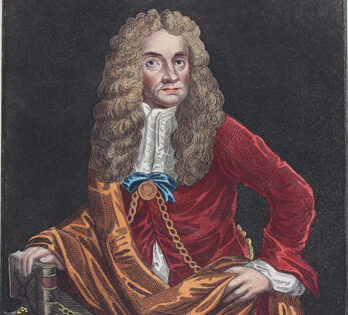
Elias Ashmole and the Ashmolean Museum: The Immortal Legacy of a Visionary of Knowledge.
There are anniversaries that resonate like bells, celebrating insights capable of shaping the cultural destiny of entire nations. May 23 marks not only the birth of Elias Ashmole in 1617, but also the dawn of the Ashmolean Museum in Oxford, Britain's first public museum. Ashmole, an emblematic figure of 17th-century England, revolutionized the concept of cultural heritage, making it accessible to all. Today, the Ashmolean is not only a custodian of antiquities, but a crossroads of cultures and a laboratory of ideas, inviting visitors to embark on a fascinating journey through human history.
Peggy Guggenheim: The legacy of a visionary of modern art
Throughout history, there have been many great patrons who, whether out of passion or
investment, have taken it upon themselves to raise art to a higher level.
New Yorker Peggy Guggenheim was not only an art collector, but a true pioneer.
She shaped the cultural landscape of the 20th century, promoting the emergence of new avant-garde movements and, with
her eclectic taste and audacity, created one of the most important art collections in the world.
Her name is linked not only to masterpieces of modern art, but also to a radical approach to
collecting, guided more by instinct than by consensus.
Maurizio Cattelan: the irreverent genius of contemporary art
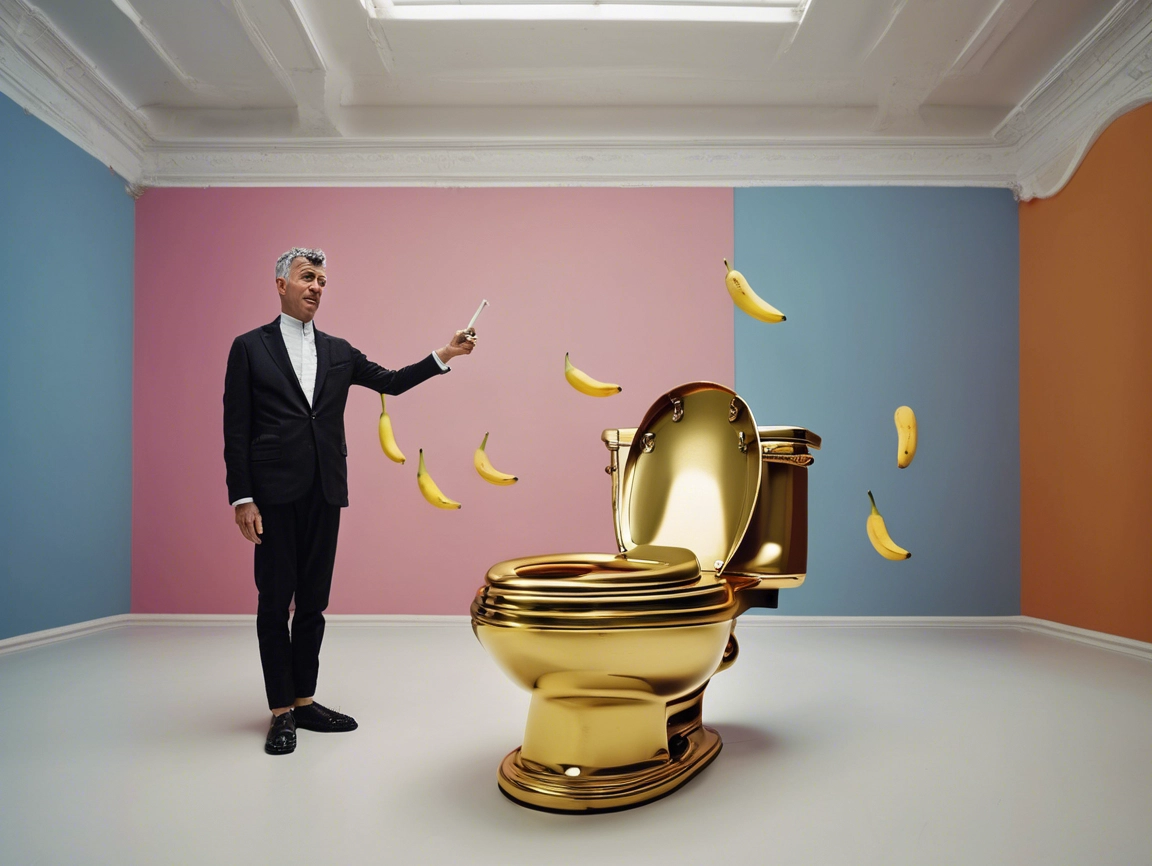
Maurizio Cattelan, the Paduan artist known for his irreverent irony and provocative works, has revolutionized the concept of contemporary art. From his sculpture of Pope John Paul II struck by a meteorite to a solid gold toilet, his creations challenge conventions and pose uncomfortable questions. With works such as "Comedian," a banana stuck to the wall, Cattelan invites us to reflect on the value of art and its meaning in the modern world. Discover how this irreverent genius conquered the international art scene and made a name for himself in unexpected ways.
Art, School, and Technology: The Silent Revolution That Is Transforming the Art World
In an age where technology permeates every aspect of daily life, the art world has not been left behind. Art and design universities, from London to Milan, New York to Shanghai, are reinventing the very concept of creativity, blending tradition and innovation in a combination that seems almost like a new Renaissance. Today, art education goes beyond the classical techniques of painting and sculpture, embracing disciplines such as game design, digital art, and contemporary art practices, fueled by cutting-edge technological tools.
The World's Most Iconic Art Collections
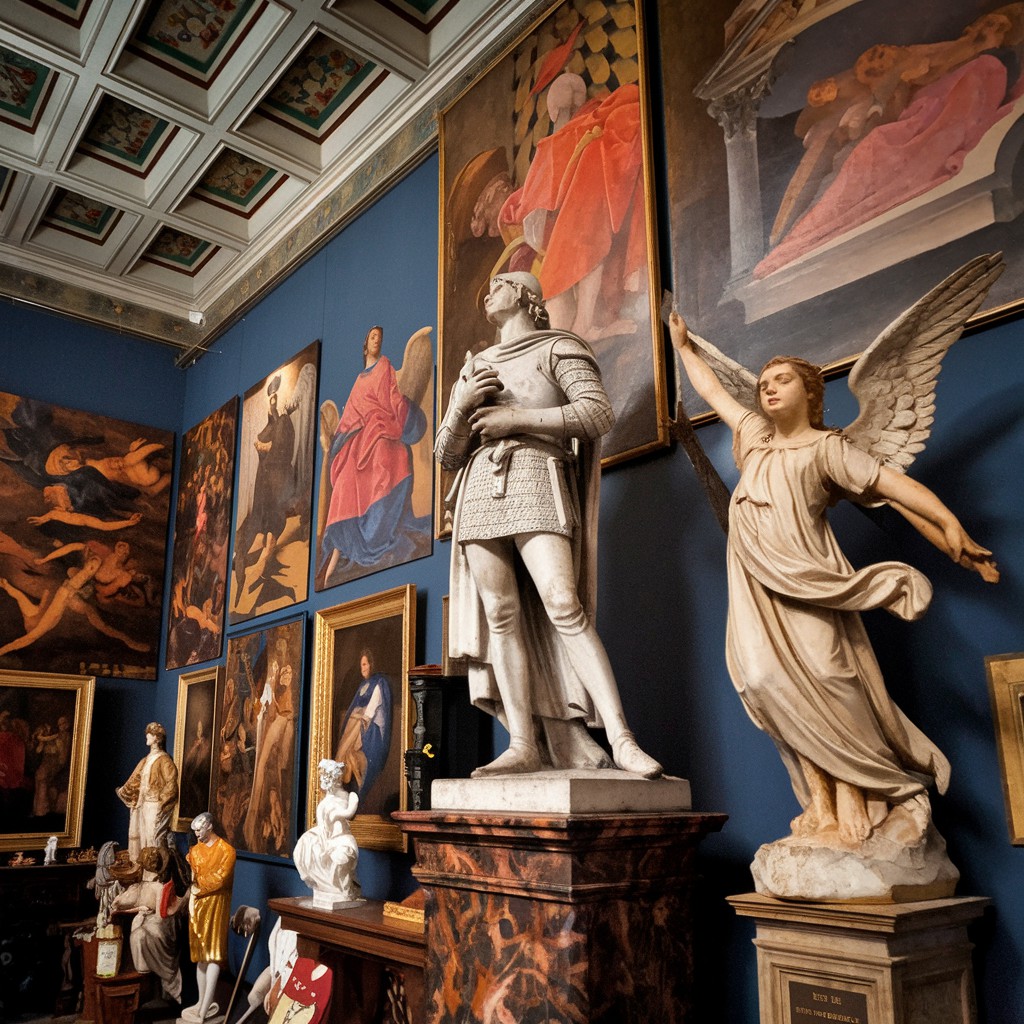
In an age when the fast pace of everyday life risks making us forget the weight and depth of our cultural history, there are places that, with their majesty and silent grandeur, continue to tell the stories of entire civilizations. Museums and art galleries are not only custodians of priceless works: they are temples of the soul, repositories of emotions and memories, welcoming visitors into an enveloping embrace of light, shadow, and colors that speak directly to the heart. This editorial journey will take you through the corridors of time, discovering the world's most iconic art collections, in a journey that intertwines beauty, history, and a profound emotional charge.
The Cosmos in Art: A Journey Towards Infinity
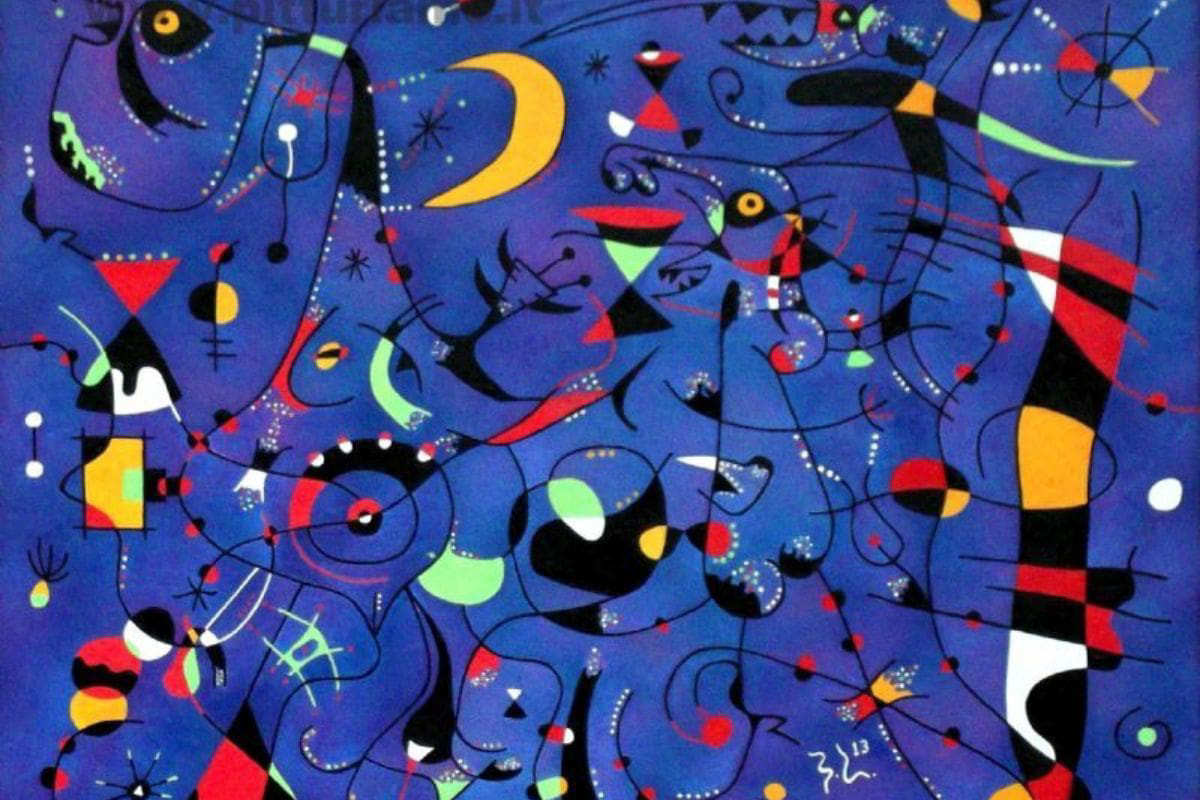
On the vast stage of existence, art and the universe intertwine in a millennial embrace, weaving together stories of mystery, beauty, and the search for infinity. Since the dawn of civilization, humans have looked up at the sky, finding in the stars a silent language that speaks of hopes, questions, and dreams. Today, in an age where technology allows us to probe the farthest corners of the cosmos, this ancient connection is renewed, transforming into a vibrant dialogue between science and creativity.
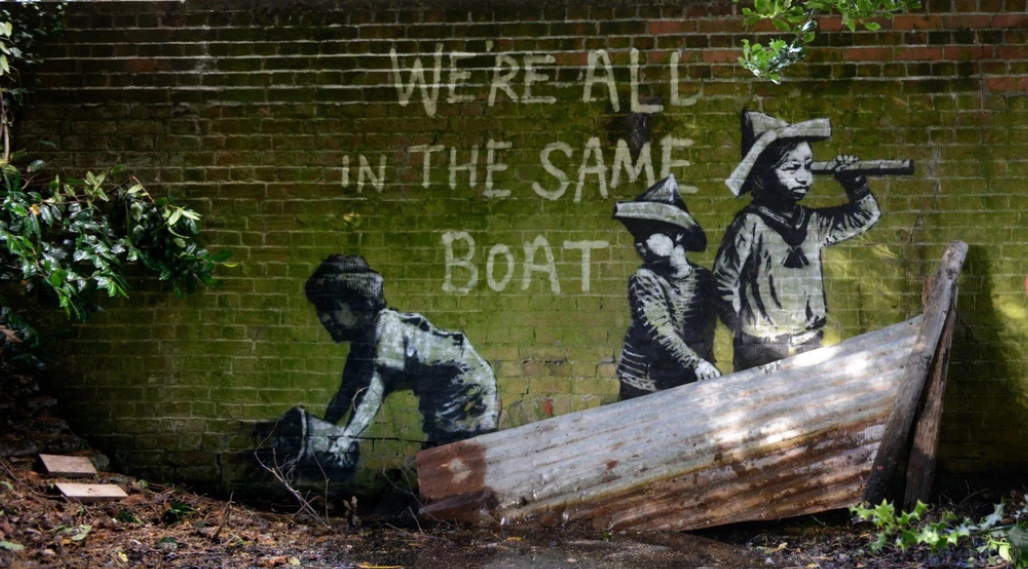
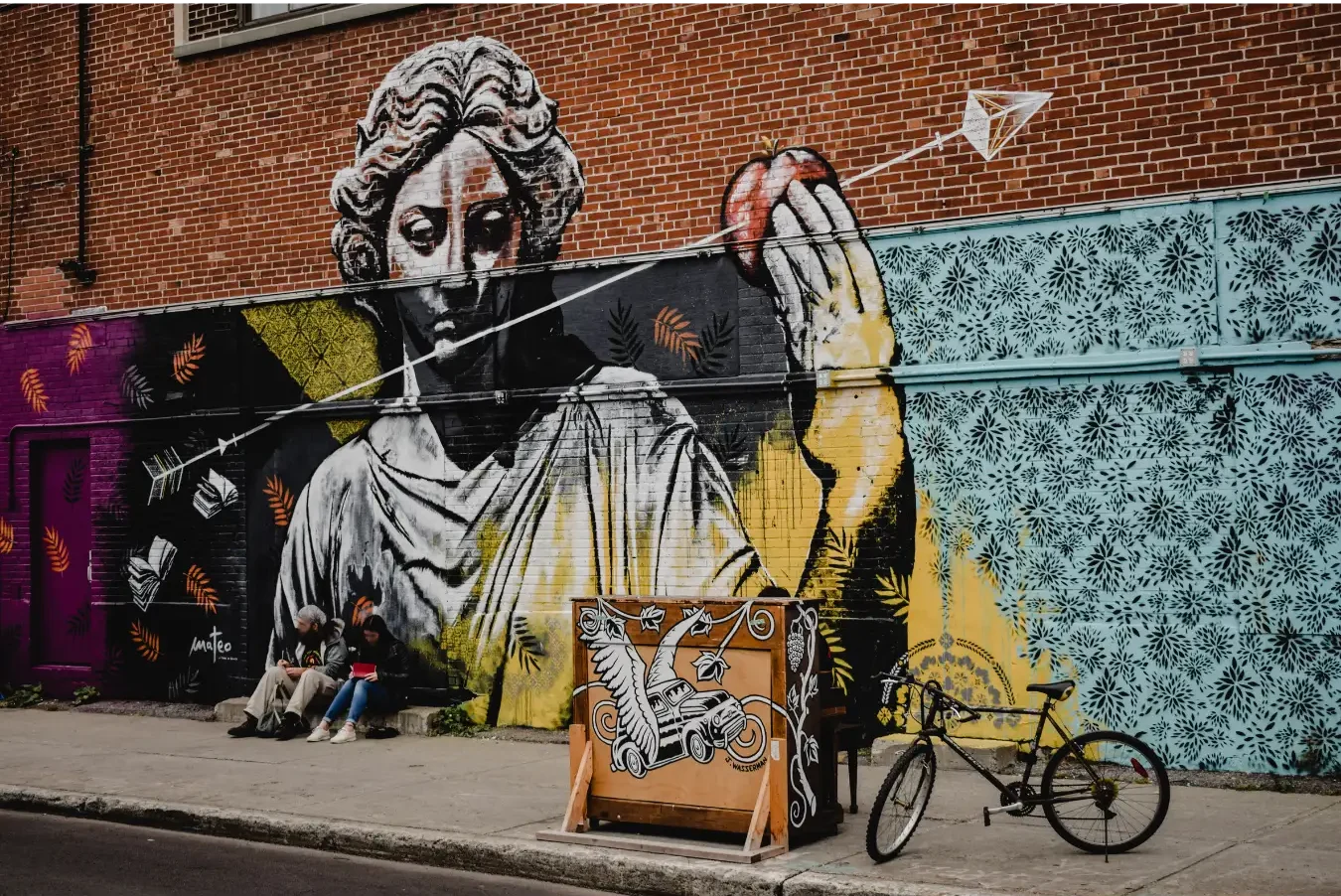
Banksy: The faceless artist and his latest provocation in London.
Banksy, the world's most famous anonymous artist, continues to spark debate with his works characterized by strong irony and powerful symbolism, profoundly influencing social thought.
The creative artist has become a global icon thanks to his murals that appear in cities such as London, New York, Berlin, and Tokyo, influencing viewers' reflections.
Today, we will explore Banksy's social impact, focusing on the themes of his works and the series of murals dedicated to animals created in London!
The main art markets
In the art world, it is essential to understand the emergence of the art market and the difference between its various segments, as each plays a fundamental role in determining the value of works of art.
The art market is characterized by two main segments: the primary market and the secondary market.
Each segment operates with different mechanisms and reflects the unique dynamics of buying and selling that influence the value, price, and reputation of artists.
Today, we will talk about the birth of the art market and its main segments, and how artists' prices evolve over the course of their careers!
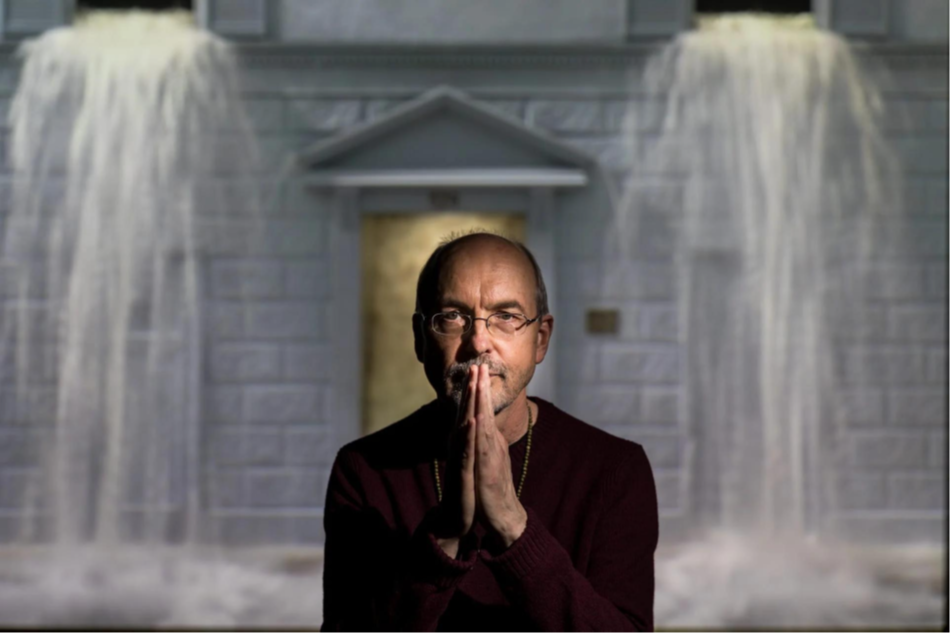
The passing of Bill Viola: The master of video art
With the recent death of Bill Viola, the art world has lost one of its greatest masters.
Born in New York in 1951, he passed away in California after suffering from Alzheimer's disease.
Viola helped redefine contemporary art through his innovative approach to the use of moving images.
His creations explored the boundaries between the visible and the invisible, the material and the immaterial, taking video art to new levels of artistic expression and human introspection.
His death closes a fundamental chapter in art history, but his legacy remains vibrant, ready to inspire future generations.
Childhood and near-death experience
The evolution of beauty: changes in art
The value of art has changed considerably over the centuries, from its association with prestige and power in ancient times, through the emblematic patronage of Gaius Maecenas, to the dynamics of the contemporary global market. Art continues to be a powerful tool for cultural and social expression, capable of inspiring and uniting.
The artificial intelligence revolution
In recent years, artificial intelligence (AI) has revolutionized numerous sectors, automating complex processes and introducing new forms of creativity. It uses data and advanced algorithms to learn and improve over time. Despite its significant impact, the uniqueness of human intellect and creativity remains fundamental.
Art & Brand: the value of art in business
Collaborations between artists and brands represent a synergy of creativity and commerce, transforming ordinary products into cultural icons and strengthening the emotional connection with the public. Notable examples include Andy Warhol with Campbell's Soup and Jonathan Ive with Apple, demonstrating the power of art to unite different worlds and inspire innovation.
Social media has democratized access to art, allowing artists to reach a global audience and receive immediate feedback. However, the pressure to create "Instagrammable" content and the purchase of fake followers can compromise the quality and authenticity of art. Artistinct supports artists by promoting authenticity and cultural value.
NFT: An immutable digital asset!
In an era where technology is constantly redefining our relationship with art, NFTs (Non-Fungible Tokens) represent an international revolution. Today, we explain their evolution and why they are driving the digital world crazy!
From Origins to Current Successes
The NFT phenomenon originated from experiments with Bitcoin in 2012, but exploded in 2017 with CryptoKitties, a game that allows players to collect unique virtual cats.
NFTs are digital assets that reside on the blockchain system, uniquely identifying ownership of works in the digital world.
By purchasing one, you obtain the right to prove ownership.
To create an NFT, you need to generate a digital version of a work of art and register it uniquely on the blockchain. By doing so, you create a digital seal that certifies the authenticity and ownership of the work.
For example, at Artistinct, we have our own blockchain based on Avalanche with the Cripto-avax coin.
Avalanche & Artistinct
Avalanche is a scalable, high-speed blockchain system designed for building decentralized applications (dApps) and custom blockchains.
Founded in 2020, it stands out in the cryptocurrency landscape thanks to its Proof of Stake (PoS) consensus mechanism, which offers numerous advantages.
At Artistinct, we chose Avalanche for its ability to process thousands of transactions per second while keeping transaction fees low, thereby improving accessibility for users.
Furthermore, its energy consumption is significantly lower than blockchains such as Ethereum, making it an environmentally friendly and sustainable choice.
The platform guarantees a high level of security for transactions and applications and supports various Smart Contract languages, allowing the creation of blockchains suitable for different projects.
Smart Contracts
Smart contracts represent a revolution in the world of digital transactions.
The most commonly used contracts are ERC-721, ERC-1155, and BEP-721.
These self-executing programs, with the terms of the agreement written directly into the code, operate on blockchain, ensuring that the conditions agreed upon between the parties are automatically enforced, without intermediaries.
Their automation allows, for example, payments to be released only upon delivery of a product.
The transparency and immutability of blockchain guarantee security and trust; smart contracts are visible and verifiable by everyone and cannot be modified.
By eliminating intermediaries such as lawyers and notaries, these digital contracts reduce time and costs, increasing the efficiency of transactions.
Their versatility makes them applicable in many sectors, from finance to supply chain management, offering automated and secure solutions by eliminating intermediaries.

Gas fee
Gas fee is an essential fee paid by users to execute transactions or smart contracts on a blockchain, covering the energy and computational costs incurred by miners or validators who process and verify these operations.
This fee is expressed in a currency other than the main currency of the blockchain and can vary significantly based on the supply and demand of network resources.
During times of high demand, fees may increase, making some transactions more expensive.
However, some blockchains such as Avalanche are working to keep gas fees low and sustainable, improving accessibility for users and reducing environmental impact.
Dizzying valuations
The numbers speak for themselves: from the incredible $91.8 million for Pak's "The Merge" on Nifty to $69.3 million for Beeple's "Everydays: The First 5000 Days" at Christie's auction.
These results reflect the keen interest of artists, investors, and technology enthusiasts in this new digital frontier.
The bubble
The NFT speculative bubble represented an explosive economic and cultural phenomenon.
Since 2020, the value of unique digital tokens, often linked to art, has grown rapidly.
The growth of the NFT market has been fueled by several factors.
The increase in the value of cryptocurrencies has prompted many investors to seek new opportunities.
For example, digital artists have found in NFTs a way to monetize their work, while celebrities and influencers have brought a lot of attention to this market.
However, the speed of this growth led many experts to believe that it was a speculative bubble, and in fact, they were right.
Exaggerated valuations, extreme speculation, market volatility, and cases of fraud are the main reasons for the bursting of the speculative bubble.
NFTs sold for millions of dollars without intrinsic value, buyers motivated solely by the hope of reselling at a higher price, are signs of an unstable and unsustainable market.
Despite this, NFT technology could have a bright future.
In the gaming industry, NFTs can represent unique game items. They can help protect and monetize intellectual property and certify digital identities and credentials.
In summary, while the NFT bubble has created enormous opportunities for gains and losses, the underlying technology could revolutionize various industries, continuing to evolve even after the speculative phase ends.
In conclusion, despite the challenges, NFTs are thriving as an innovation in the digital world, representing a new world where it is possible to own and trade works of art.
At Artistinct, with our commitment to transparency and support for artists, we continue to shape an ecosystem where every work is unique and every collection tells a story.
#webelieveinhumanartistinct

CONTEMPORARY STARS SHINING IN THE WORLD OF ART
We analyzed data from the three most significant sales by living contemporary artists at Art Basel Basel 2024.
Nowadays, unfortunately, the stereotype persists that artists are people without values, destined never to achieve concrete goals. We are here to dispel this false myth!
We firmly believe in the value of commitment and determination of those who, step by step, achieve success.
And it is precisely these three extraordinary artists, who have been able to turn their passion into reality, that we will talk about shortly.
How many times have you heard that an artist and their works only acquire value after their death? This is another stereotype we want to break down.
Of course, there are some cases where an artist's works gain greater recognition posthumously, but this is not always the case.
Today, there are numerous living artists whose works are worth millions and are appreciated and sought after all over the world.
Consider figures such as Banksy or Jeff Koons: contemporary artists who have left an indelible mark on the global art scene, achieving fame and success during their lifetimes.
Not only are their works valued at millions of dollars, but they are also capable of profoundly influencing today's culture and society.
So why continue to believe these stereotypes?
At Artistinct, we believe in the power of talent, and we are here to promote the work of artists who demonstrate that art can be a successful and highly rewarding career.
As an ecosystem of art and culture, we are committed to supporting and promoting artists who challenge the limits of imagination and expression, transforming their visions into tangible and influential realities.
Have you ever thought about what makes a contemporary work of art so extraordinary that it is worth millions of euros?
Is it just a matter of luck, or is there something deeper and more fascinating at play? The answer lies in a combination of pure talent, astute strategy, and a touch of bold innovation.
Contemporary artists are not content to follow in the footsteps of the past; they want to constantly challenge their limits to discover, day after day, what values art can give them and teach them, continually increasing their personal and artistic/cultural knowledge.
But there's more: the value of a contemporary work of art comes not only from its aesthetics, but also from its ability to evoke emotions, stimulate reflection, and spark conversation.
It is this powerful alchemy that captures the attention of collectors and enthusiasts around the world, leading to the works fetching exorbitant prices.
Here are the top 3 living artists who have sold millions in Basel!
ย
- Julie Mehretu: The artist who transforms chaos into art
Work: Untitled, 1999
Sales: $6.75 million
Gallery: White Cube, London

Julie Mehretu
Imagine abstract paintings that blend architecture, landscape, and pure abstraction into a visual symphony. Julie Mehretu, born in 1970 in Aroussi, captures the frenetic essence of modern cities with her unique ability to integrate urban perspectives and graffiti into multi-layered works.
He rose to fame in the early 2000s with multi-layered paintings that use architecture as their basis.
Incorporating diagrams, area perspectives, cityscapes, and graffiti, Julie creates frenetic and narrative works.
Among his most famous works is the 25-meter mural commissioned by Goldman Sachs for their Manhattan headquarters, entitled "Mural."
Solo exhibitions in Berlin, Madrid, and Paris mark an evolution in his style, with works reflecting contemporary themes such as immigration and ecological disasters.
ย
- Gerhard Richter: The Master of Contemporary Art
Work: Abstract Painting, 2016,
Sales: 6 million
Stand: David Zwirner, New York

Gerhard Richter
How can a former theater set painter become a global icon of contemporary art?
Gerhard Richter has shown that perseverance and continuous experimentation are keys to success.
He was born in Dresden in 1932 and his career began with his first solo exhibition in 1964 at the Schmela Gallery in Dรผsseldorf.
From his epic exhibition at the Venice Biennale and beyond, each brushstroke reflects a profound reflection on the human condition.
Today, Gerhard continues to create and exhibit his works, and lives in Cologne.
In 2012, a major retrospective marking his 80th birthday in London, Berlin, and Paris was a huge success with the public and critics alike, confirming his status as a master of contemporary art.
ย
- George Condo: The Innovator of Psychological Cubism
Work: Rosemary Babyโs, 2024
Sale: $1.95 million
Gallery: Sprรผt Magers, Berlin

George Condo
What if Cubism met the human spirit? George Condo, born in Concord in 1957, revolutionized art with his unique psychological approach, influencing subsequent generations and collaborating with music icons such as Kanye West.
His career began with exhibitions in East Village galleries between 1981 and 1983, and he worked briefly in Andy Warhol's studio.
His success came in 2010 thanks to his collaboration with Kanye West on the covers for the album "My Beautiful Dark Twisted Fantasy."
In 2011, the New Museum dedicated a major retrospective exhibition to Condo entitled "Mental States."
Today, Condo lives and works in New York.
His works are featured in prestigious collections such as the Museum of Modern Art in New York and the National Gallery of Art in Washington, DC, confirming his status as a central figure in contemporary art.
In conclusion, contemporary artists such as Julie Mehretu, Gerhard Richter, and George Condo not only demonstrate that art can be a path to success and satisfaction, but also embody the idea that talent, commitment, and the ability to innovate can overcome any stereotype.
These artists continue to challenge the boundaries of art with their work, profoundly influencing culture and stimulating reflection and conversation on a global scale.
Their creations, appreciated and valued at millions, testify that the value of art is not only linked to the past, but lives, grows, and thrives in the present.
These artists not only sell works for millions, but also challenge the boundaries of creativity and criticism. Through prestigious galleries and international exhibitions such as Art Basel Basel, they continue to shape the future of contemporary art, leaving an indelible mark on the hearts and minds of every observer.
At Artistinct, we are proud to promote and support artists who transform their visions into tangible and influential works of art.
We deeply believe in the power of talent and innovation, and we are dedicated to creating an ecosystem where art and culture can thrive and connect.
Our focus is to celebrate artists' triumphs and contribute to a world where art is seen as a valuable and fulfilling career.
We want to highlight the commitment and passion of those who, every day, shape the future of art, demonstrating that artistic success is an achievable and inspiring reality.
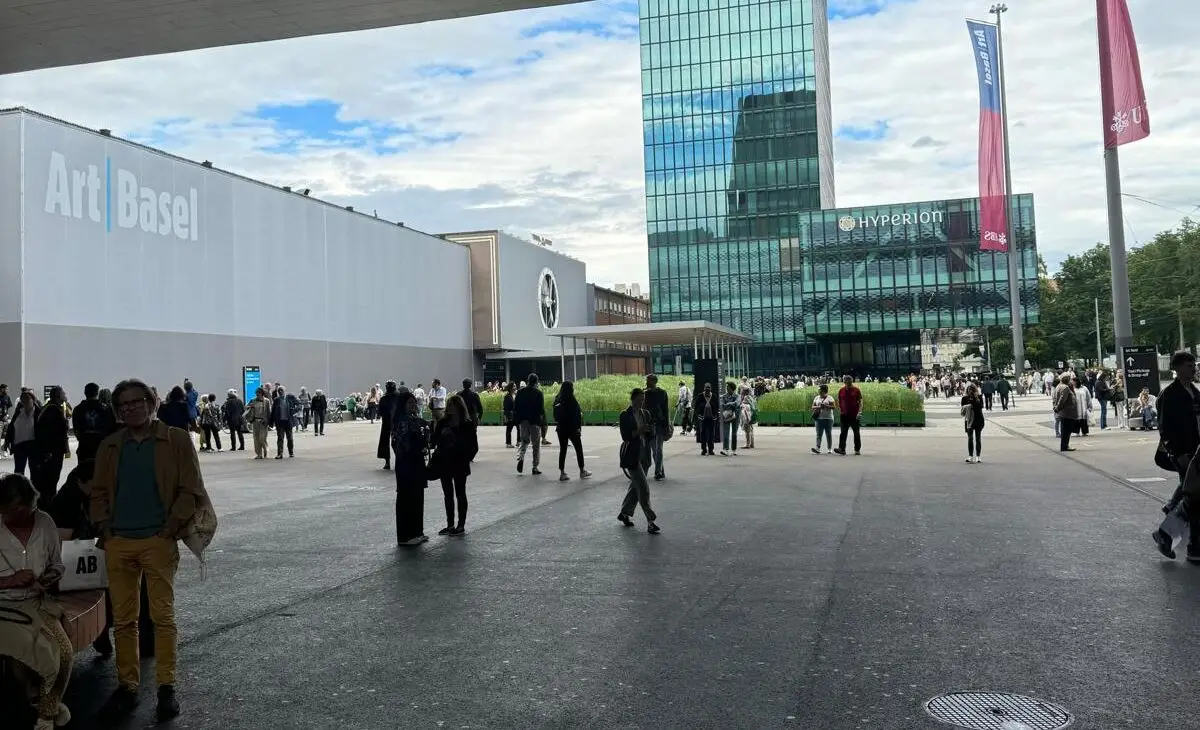
ART BASEL 2024: A Triumph of Global Creativity
Art Basel 2024 came to a successful close on June 16 under the leadership of Maike Cruse, attracting 91,000 visitors and recording robust sales. The event presented innovative works, including a tribute to Agnes Denes and the Parcours section, involving artists, curators, and an international audience. The collaboration with Artistinct further enriched the event.