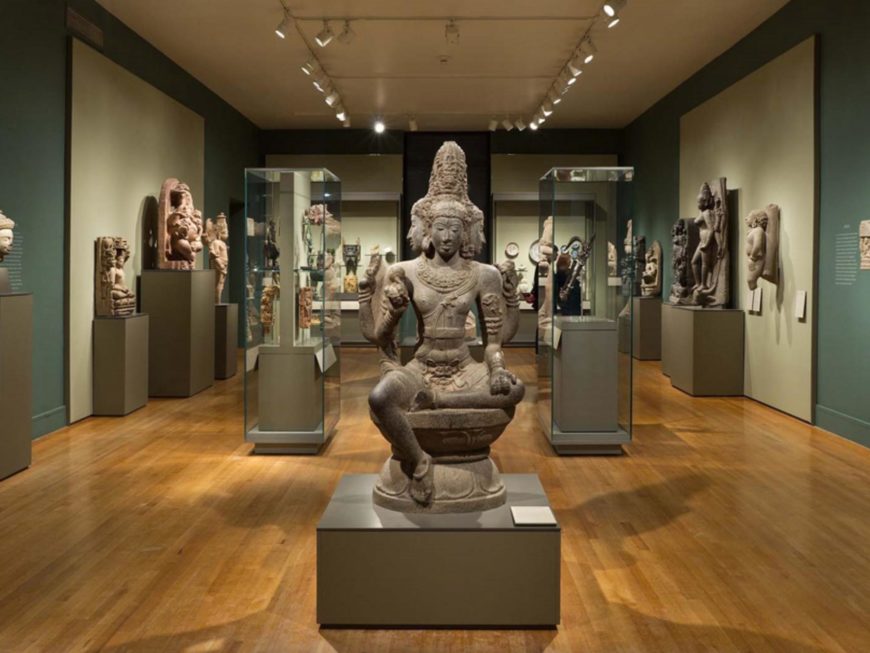
The diverse objects from South Asia that fill the world’s museums and are valued as important works of art can sometimes be daunting to teach and study. Indeed the term “art” itself is problematic—often imposed onto “non-Western” cultures through European definitions and values—and has come to define objects that were made for many reasons beyond aesthetic pleasure.[1] For example, how should we begin to consider diverse material and visual culture that spans from prehistory to the present; was commissioned by everyone from kings to priests to villagers; and was enjoyed and valued in a variety of social situations—from displays of political power, to religious worship, to the practice of everyday life?