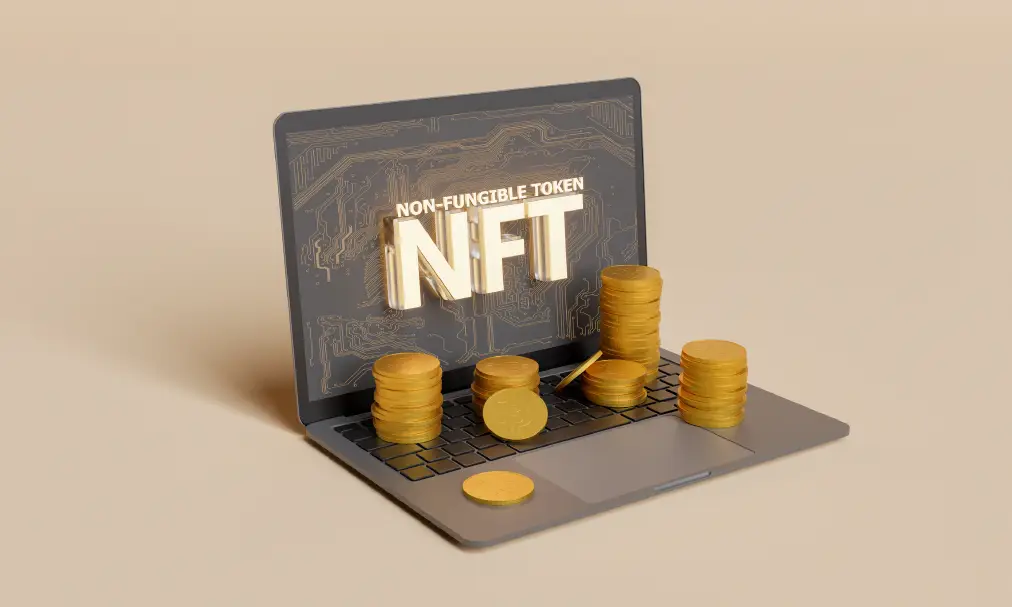
In an era where technology is constantly redefining our relationship with art, NFTs (Non-Fungible Tokens) represent an international revolution. Today, we explain their evolution and why they are driving the digital world crazy!
From Origins to Current Successes
The NFT phenomenon originated from experiments with Bitcoin in 2012, but exploded in 2017 with CryptoKitties, a game that allows players to collect unique virtual cats.
NFTs are digital assets that reside on the blockchain system, uniquely identifying ownership of works in the digital world.
By purchasing one, you obtain the right to prove ownership.
To create an NFT, you need to generate a digital version of a work of art and register it uniquely on the blockchain. By doing so, you create a digital seal that certifies the authenticity and ownership of the work.
For example, at Artistinct, we have our own blockchain based on Avalanche with the Cripto-avax coin.
Avalanche & Artistinct
Avalanche is a scalable, high-speed blockchain system designed for building decentralized applications (dApps) and custom blockchains.
Founded in 2020, it stands out in the cryptocurrency landscape thanks to its Proof of Stake (PoS) consensus mechanism, which offers numerous advantages.
At Artistinct, we chose Avalanche for its ability to process thousands of transactions per second while keeping transaction fees low, thereby improving accessibility for users.
Furthermore, its energy consumption is significantly lower than blockchains such as Ethereum, making it an environmentally friendly and sustainable choice.
The platform guarantees a high level of security for transactions and applications and supports various Smart Contract languages, allowing the creation of blockchains suitable for different projects.
Smart Contracts
Smart contracts represent a revolution in the world of digital transactions.
The most commonly used contracts are ERC-721, ERC-1155, and BEP-721.
These self-executing programs, with the terms of the agreement written directly into the code, operate on blockchain, ensuring that the conditions agreed upon between the parties are automatically enforced, without intermediaries.
Their automation allows, for example, payments to be released only upon delivery of a product.
The transparency and immutability of blockchain guarantee security and trust; smart contracts are visible and verifiable by everyone and cannot be modified.
By eliminating intermediaries such as lawyers and notaries, these digital contracts reduce time and costs, increasing the efficiency of transactions.
Their versatility makes them applicable in many sectors, from finance to supply chain management, offering automated and secure solutions by eliminating intermediaries.
Gas fee
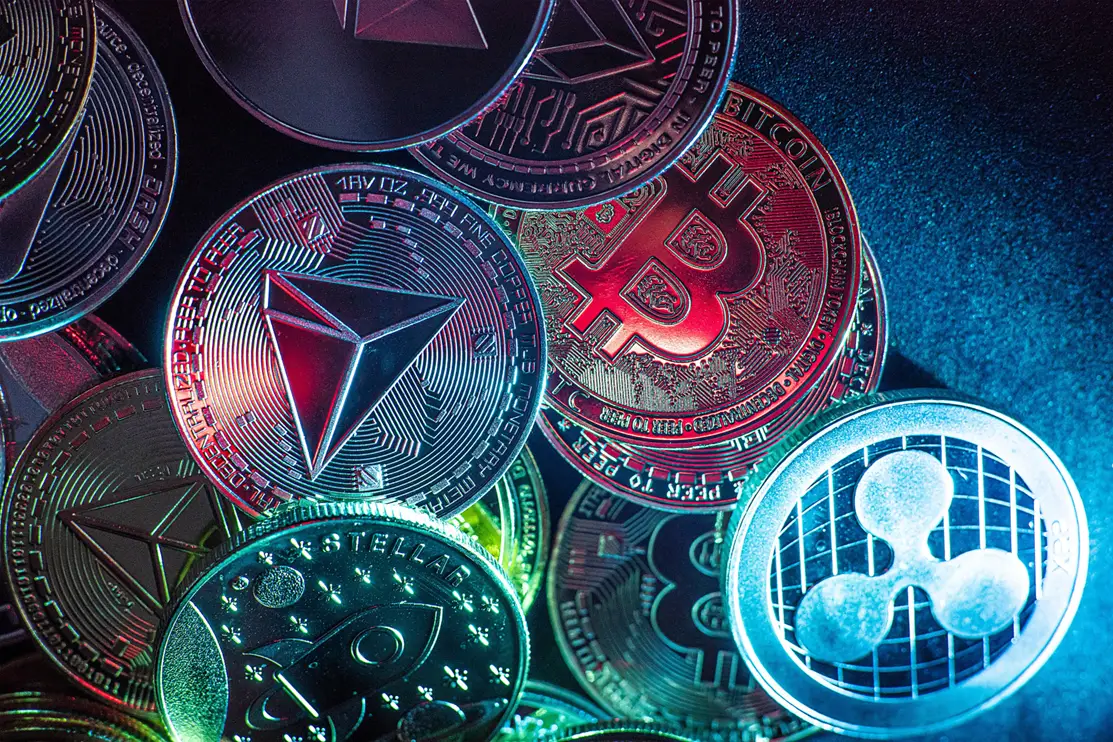
Gas fee is an essential fee paid by users to execute transactions or smart contracts on a blockchain, covering the energy and computational costs incurred by miners or validators who process and verify these operations.
This fee is expressed in a currency other than the main currency of the blockchain and can vary significantly based on the supply and demand of network resources.
During times of high demand, fees may increase, making some transactions more expensive.
However, some blockchains such as Avalanche are working to keep gas fees low and sustainable, improving accessibility for users and reducing environmental impact.
Dizzying valuations
The numbers speak for themselves: from the incredible $91.8 million for Pak's "The Merge" on Nifty to $69.3 million for Beeple's "Everydays: The First 5000 Days" at Christie's auction.
These results reflect the keen interest of artists, investors, and technology enthusiasts in this new digital frontier.
The bubble
The NFT speculative bubble represented an explosive economic and cultural phenomenon.
Since 2020, the value of unique digital tokens, often linked to art, has grown rapidly.
The growth of the NFT market has been fueled by several factors.
The increase in the value of cryptocurrencies has prompted many investors to seek new opportunities.
For example, digital artists have found in NFTs a way to monetize their work, while celebrities and influencers have brought a lot of attention to this market.
However, the speed of this growth led many experts to believe that it was a speculative bubble, and in fact, they were right.
Exaggerated valuations, extreme speculation, market volatility, and cases of fraud are the main reasons for the bursting of the speculative bubble.
NFTs sold for millions of dollars without intrinsic value, buyers motivated solely by the hope of reselling at a higher price, are signs of an unstable and unsustainable market.
Despite this, NFT technology could have a bright future.
In the gaming industry, NFTs can represent unique game items. They can help protect and monetize intellectual property and certify digital identities and credentials.
In summary, while the NFT bubble has created enormous opportunities for gains and losses, the underlying technology could revolutionize various industries, continuing to evolve even after the speculative phase ends.
In conclusion, despite the challenges, NFTs are thriving as an innovation in the digital world, representing a new world where it is possible to own and trade works of art.
At Artistinct, with our commitment to transparency and support for artists, we continue to shape an ecosystem where every work is unique and every collection tells a story.
#webelieveinhumanartistinct

Join in!
Comments