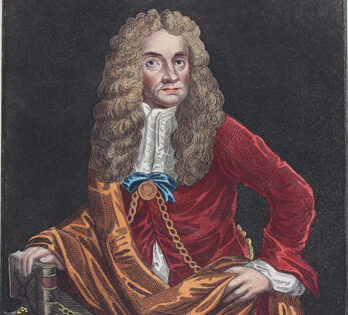
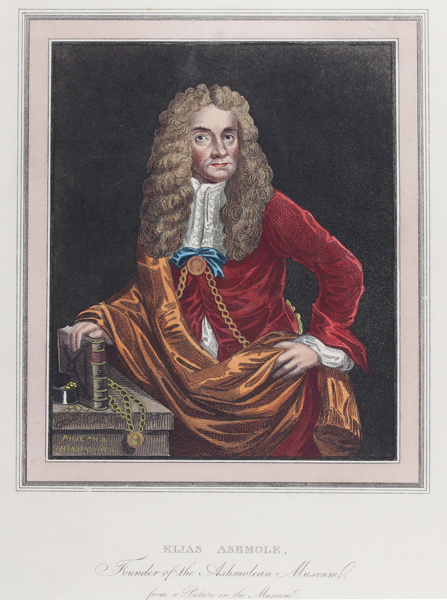
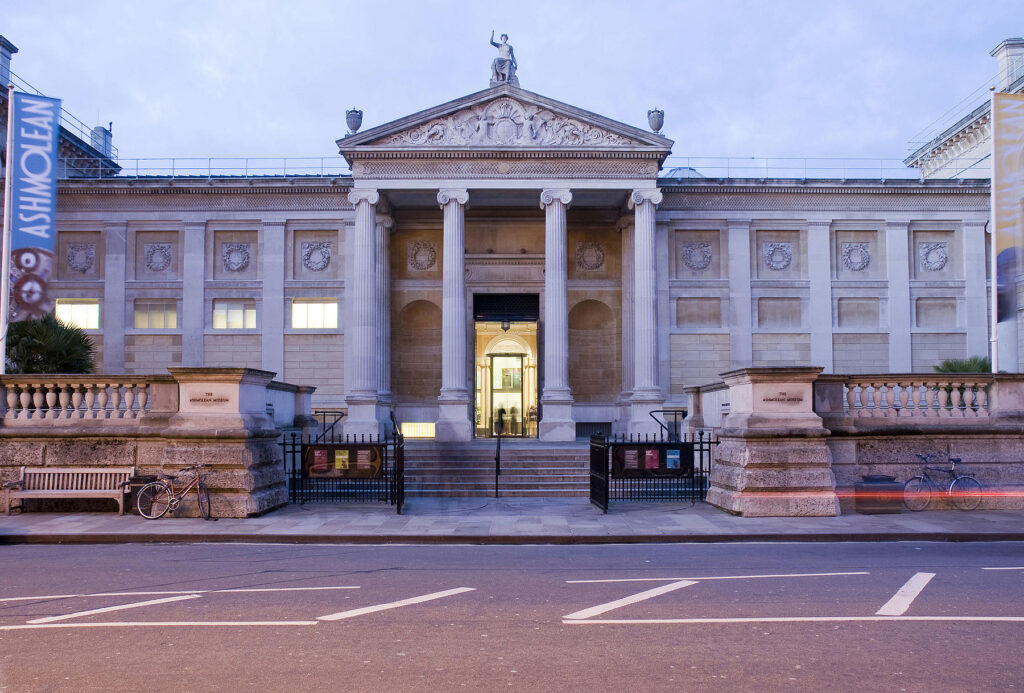
There are anniversaries that pass quietly by on the calendar, and others that ring out like bells, celebrating insights capable of shaping the cultural destiny of entire nations. May 23 falls into the latter category, marking not only the birth of Elias Ashmole in 1617, but also the dawn of an institution that bears his name and embodies his pioneering vision: the Ashmolean Museum in Oxford.
An emblematic figure of the intellectually vibrant English 17th century, Ashmole was a man of many facets: a meticulous antiquarian, voracious collector, scholar of alchemy and astrology, heraldist, and jurist. In an era of transition, when esoteric tradition still interacted closely with the nascent rigors of the scientific method, he represented a fascinating synthesis, a "virtuoso" in the fullest sense of the term. His was not a linear life, but a journey guided by an omnivorous curiosity, which led him to weave a dense network of contacts and accumulate an extraordinarily heterogeneous collection.
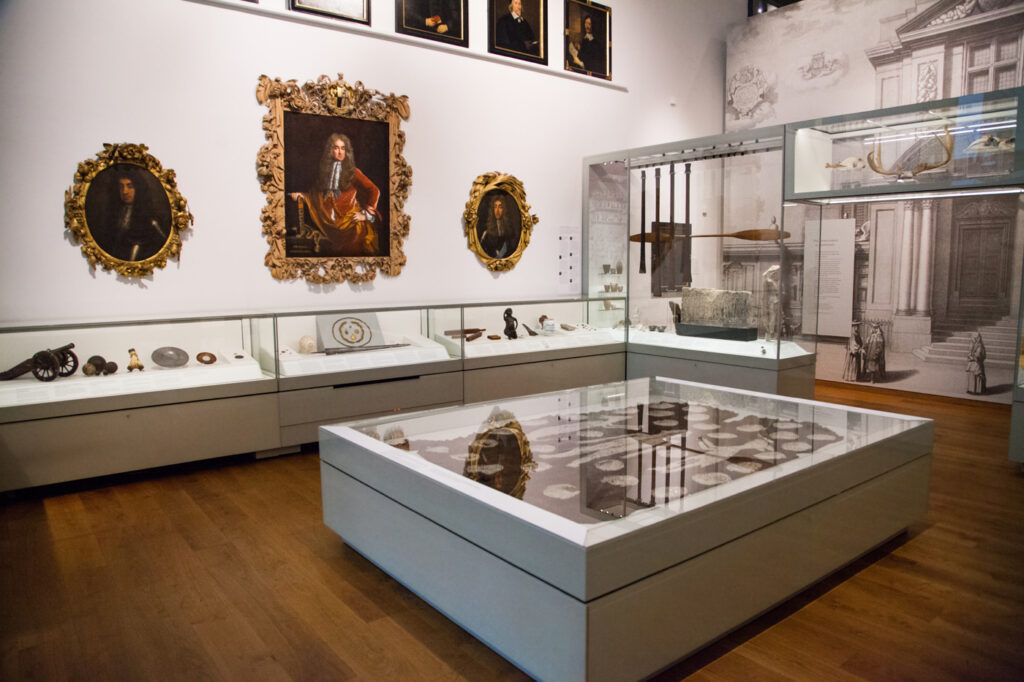
However, Ashmole's true greatness lies not so much in his erudition as in his radically modern conception of cultural heritage. At a time when collections were the exclusive preserve of nobles and the wealthy, to be jealously guarded as status symbols, Ashmole developed a revolutionary idea: knowledge and its artifacts are a universal treasure, to be shared and made accessible to the community for the advancement of knowledge. This vision took concrete form in 1677. It was then that Ashmole made a philanthropic gesture that was destined to make history: he donated his vast collection to the University of Oxford, which included the famous "cabinet of curiosities" (the "room of wonders") inherited from the Tradescants, father and son, naturalists and tireless travelers. The condition was clear: the university had to provide a suitable building. Thus, in 1683, the Ashmolean Museum opened its doors, consecrated as the first public museum in Great Britain and the first university museum in the world.
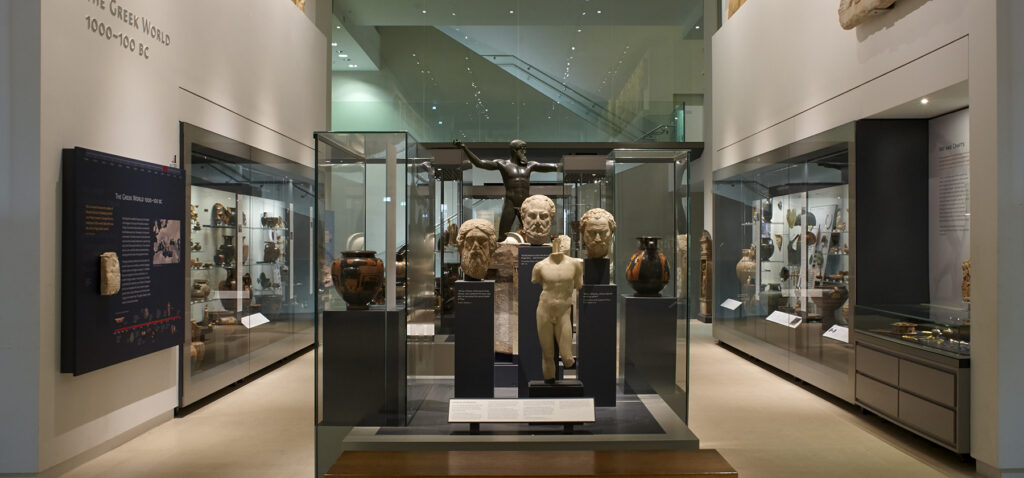
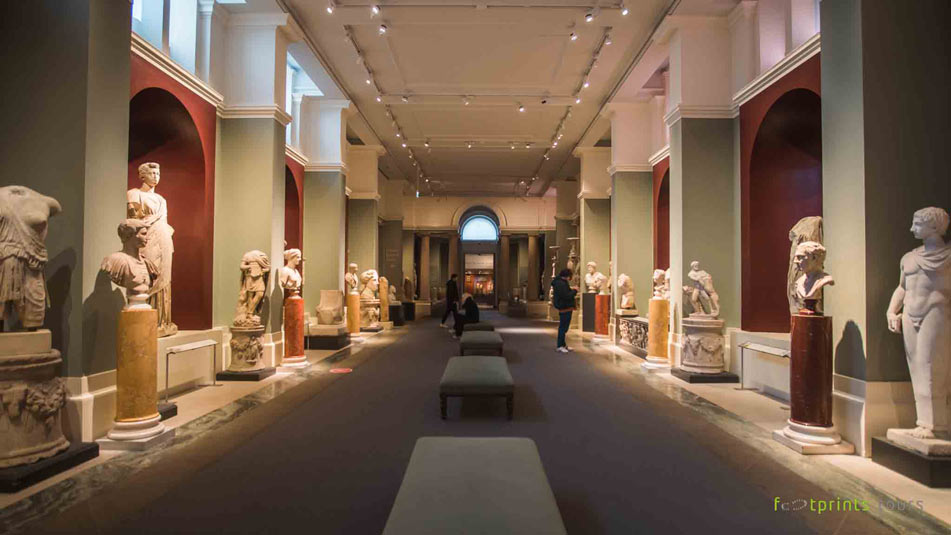
Today, almost four centuries later, the Ashmolean is not simply a custodian of antiquities, but a vibrant institution, a crossroads of cultures and a laboratory of ideas in perpetual dialogue with the contemporary world. Walking through its rooms is like embarking on a fascinating journey through human history. You pass from the solemn dim light of the Egyptian galleries, where decorated sarcophagi and ancient amulets tell of complex civilizations and profound beliefs, to the dazzling brightness of the Aegean world, with its Minoan, Cycladic, and Mycenaean ceramics evoking myths of heroes and gods.
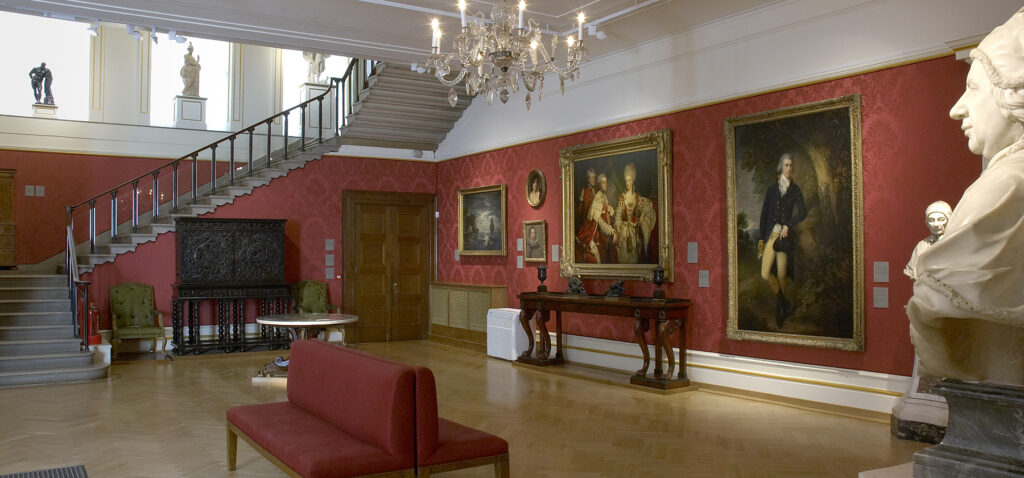
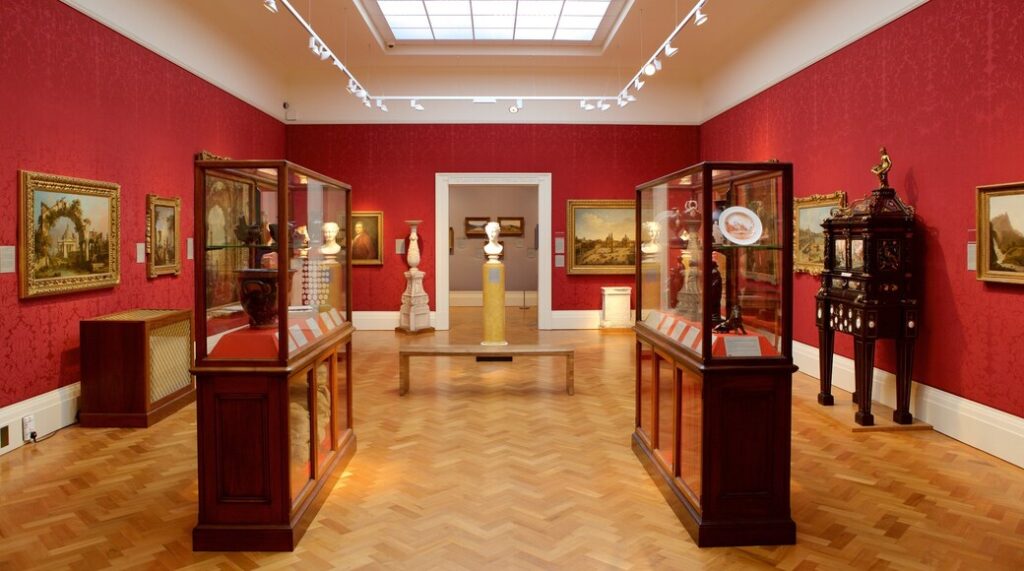
The European art collection boasts absolute masterpieces: from the intense altarpieces of the Italian Renaissance, with works by masters such as Paolo Uccello (his famous "Night Hunt") and Fra Angelico, which embody the humanistic ideal, to unique treasures such as the Alfred Jewel, an enigmatic Anglo-Saxon jewel. It continues with the dreamy atmospheres of the Pre-Raphaelites, the bold chromatic experiments of the Impressionists, and the provocations of modern and contemporary art, bearing witness to the incessant evolution of artistic language. Nor can we forget the exceptional collection of Oriental art, with Chinese porcelain of incomparable refinement, Japanese calligraphy, and Indian sculptures that open windows onto distant aesthetic and spiritual universes.
The Ashmolean Museum, with its extraordinary diversity—ranging from archaeology to decorative art, coins to drawings—brings to life Elias Ashmole's vision of universal knowledge. It is not merely a collection of objects, but a polyphonic narrative that intertwines disciplines, eras, and geographies, stimulating curiosity and critical analysis.
The anniversary of Elias Ashmole's birth, therefore, transcends simple commemoration. It becomes a valuable opportunity to reflect on the crucial role that institutions such as the Ashmolean Museum play in the social fabric. In an age marked by pervasive digitalization and the fleeting consumption of information, the educational, contemplative, and inspirational function of these places is more essential than ever. They are not mausoleums of a bygone era, but laboratories of thought, bridges between generations and cultures, bulwarks against oblivion.
As we celebrate Elias Ashmole and the monumental legacy he left to the world, we renew our commitment to preserving and promoting his visionary vision of open and shared knowledge. A vision that, centuries later, has lost none of its urgency or intrinsic appeal, demonstrating that investing in culture means investing in the very future of humanity.


Join in!
Comments