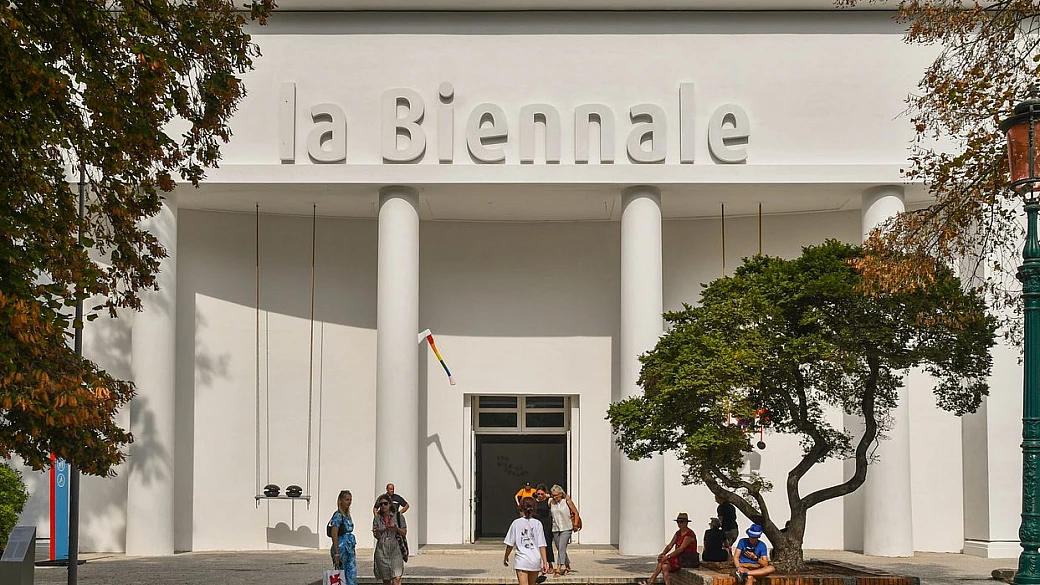
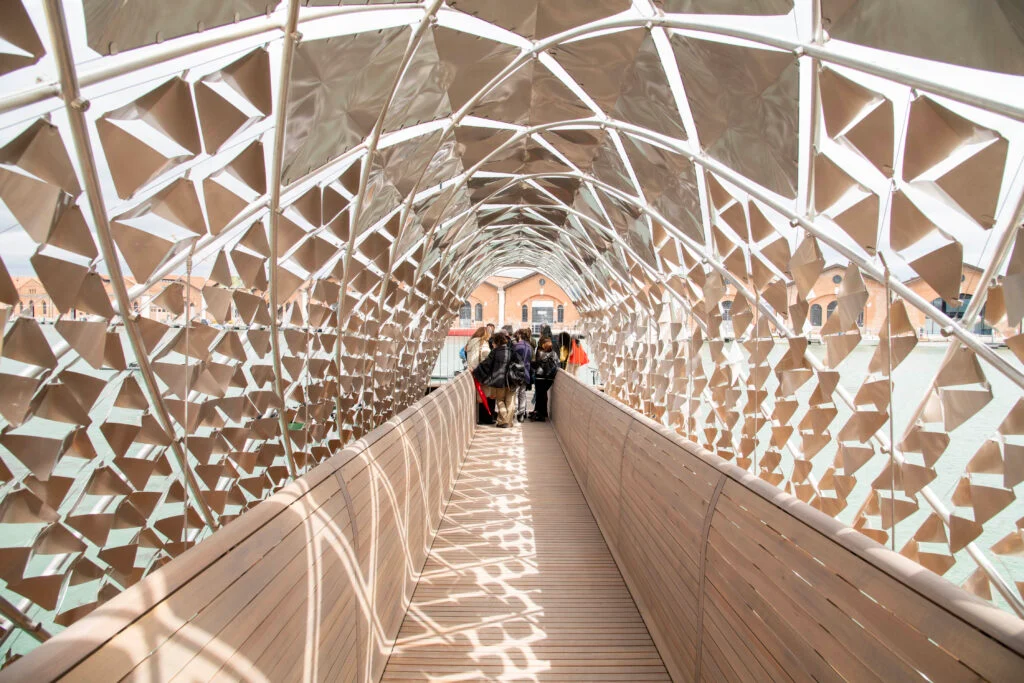
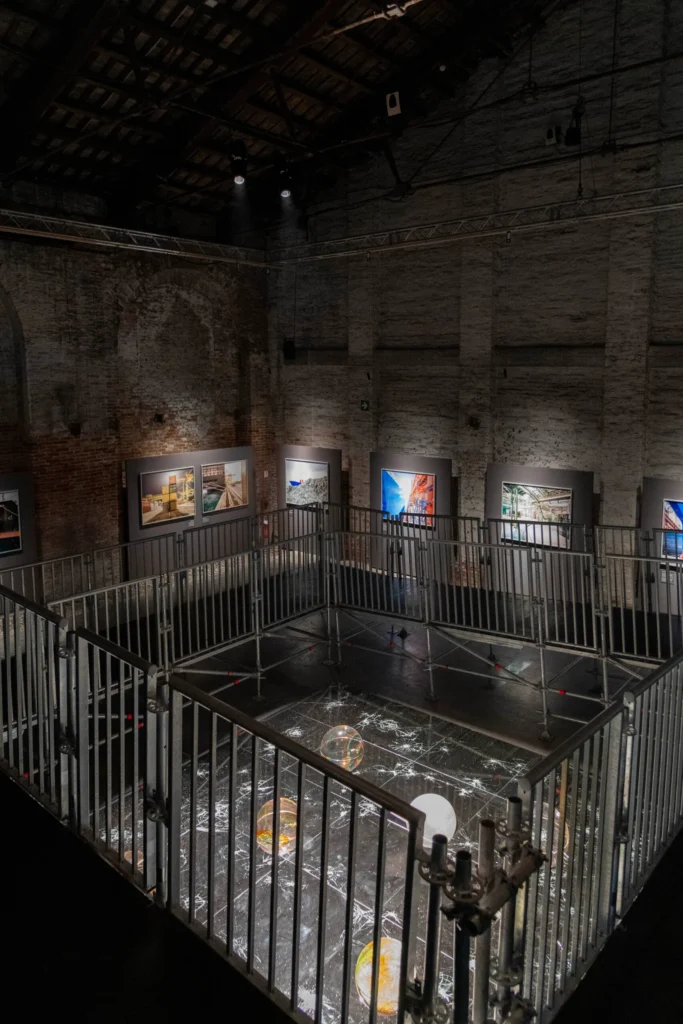
From May 10 to November 23, 2025, Venice will become a crossroads of ideas, innovation, and visions for the future with the 19th International Architecture Exhibition. Under the inspired leadership of Carlo Ratti—architect and engineer at MIT—this edition of the Biennale promises to change forever the way we think about the spaces we live in. The chosen title, "Intelligens. Natural. Artificial. Collective.", gets straight to the point: today, designing means collaborating, cross-pollinating, and joining forces with different minds to tackle the great challenges of our time together.
The focus of this Biennale is an invitation to "choose together," as suggested by the Latin meaning of intelligens. Architecture, therefore, is no longer just a matter for technicians and designers: it enters into dialogue with the world, involving those who cook, those who program, those who study nature, or those who work with their hands. The result is a new way of imagining cities: smarter, more human, more alive. It is the beginning of a collective, inclusive design process that is not afraid to get its hands dirty with the complexity of reality.
Venice Becomes the Biennale
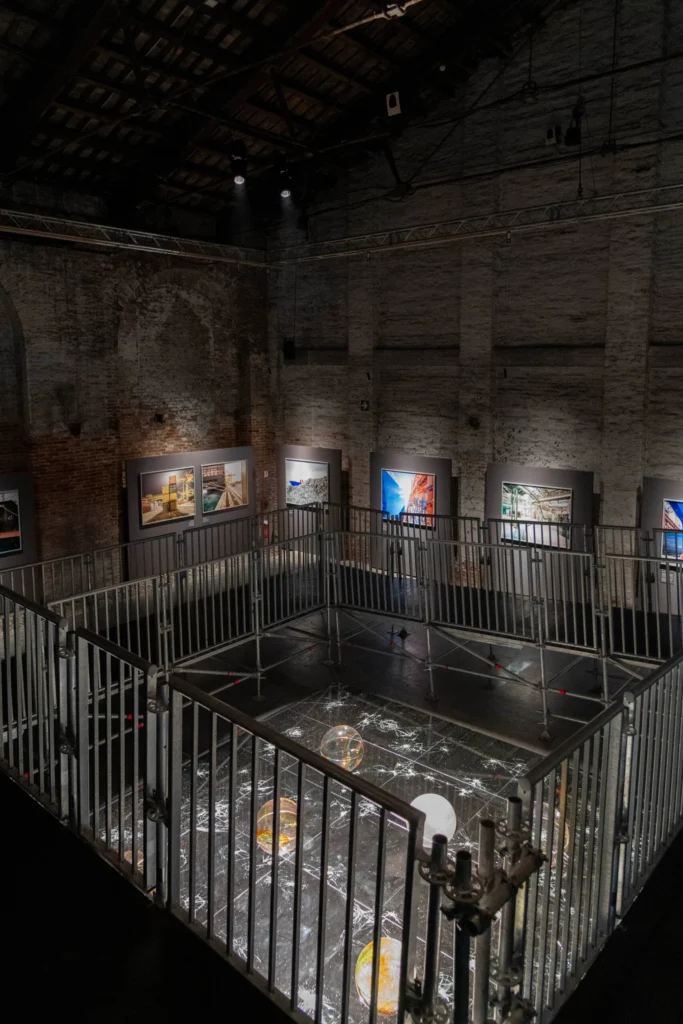
The temporary closure of the Central Pavilion due to restoration work has not dampened creative energy: the entire city has become part of the exhibition. Palaces, churches, courtyards, and hidden corners of Venice come alive with projects, installations, and performances. The city itself, fragile, unique, exposed, is at the center of a narrative that combines art, technology, and environmental commitment. Here, architecture is not just observed: it is lived, explored, and experienced.
With 66 countries involved, including Oman, Azerbaijan, Qatar, and Togo for the first time, this edition is the most popular ever. But the real goal is another: to become the first zero-impact Biennale. An ambitious challenge, starting with logistics and extending to materials, demonstrating that sustainability is not an abstract idea, but a concrete practice.
Among the pavilions that we consider most important for the three types of intelligence described, we definitely find those of Italy, Japan, and Oman.
Italian Pavilion – “Terræ Aquæ”: Where Land and Sea Meet
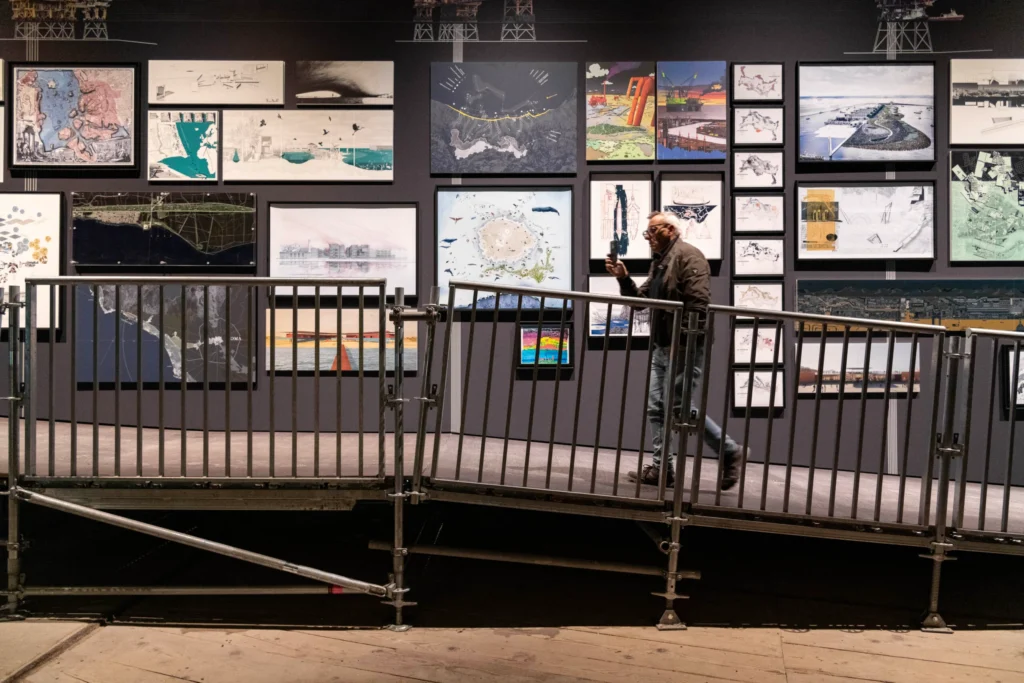
The Italian pavilion, curated by Guendalina Salimei, takes us to the heart of the Mediterranean with "Terræ Aquæ," a project that explores the delicate balance between land and sea. At a time when coastlines are changing and the climate is putting port cities to the test, this space invites us to look to the seascape as a source of inspiration and resilience. The natural intelligence of water guides a new way of building, where architecture, infrastructure, and the environment become one. It is an invitation to rethink our roots in order to chart new courses.
Japan Pavilion – “IN-BETWEEN”: When Humans Meet Machines
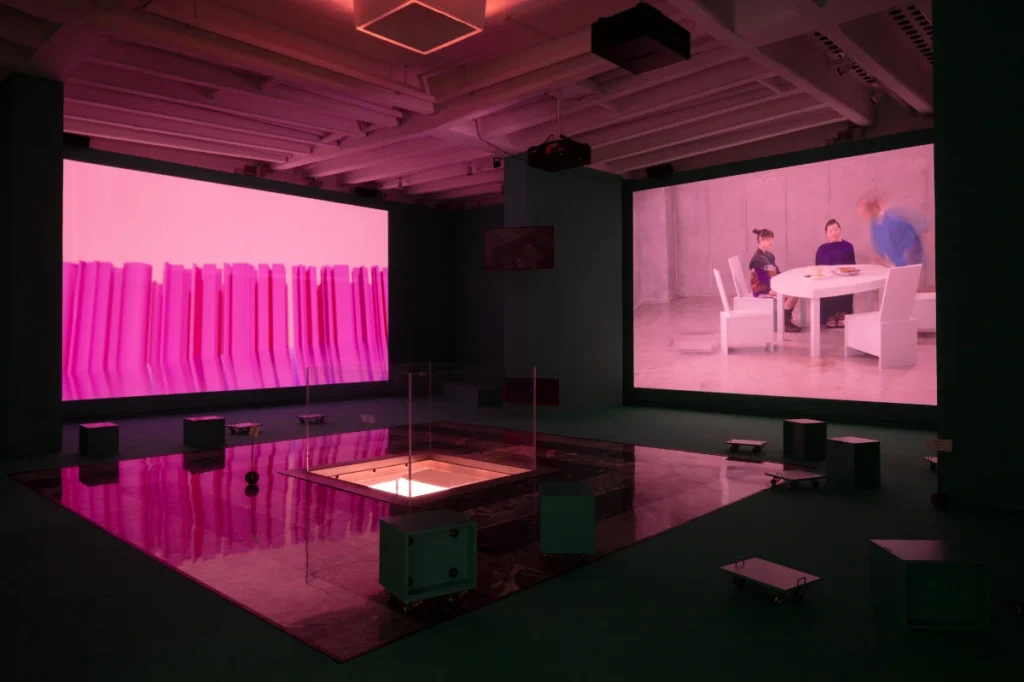
Japan, with its usual elegance and depth, offers us an immersive experience between the human and the artificial. "IN-BETWEEN" is a journey into the still unexplored territories of shared thinking with machines. Algorithms, reactive environments, and interactive spaces are not meant to amaze us, but to make us reflect: where does the architect end and artificial intelligence begin? What if designing were a gesture that arises precisely from this subtle boundary? A pavilion suspended, as the title suggests, between two worlds that are learning to understand each other.
Oman Pavilion – The Power of Tradition Reinterpreted in the Present
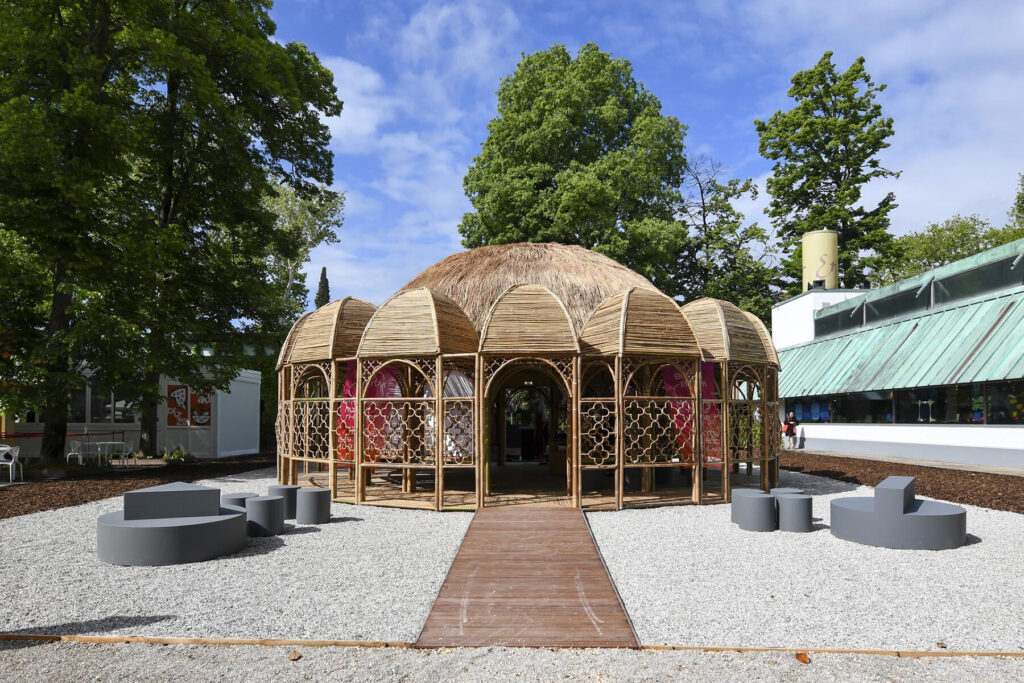
Making its debut in grand style, Oman presents a pavilion that showcases the beauty of its culture through the quintessential communal space: the sablah. This environment, a symbol of dialogue and belonging, is reinterpreted in a contemporary key to celebrate collective intelligence as the foundation of living together. Here, architecture builds not only walls, but relationships, roots, and memory. A powerful message: to look ahead, we must know where we come from.
This is not your usual exhibition. You don't come here just to look at visionary projects, but to engage with ideas that speak to us, to our way of inhabiting the world. Every visitor leaves a little more aware, a little more involved.
Carlo Ratti reminds us that "we can no longer design alone." And in this interconnected world, this is perhaps the greatest revolution: learning to build together.
The 2025 Architecture Biennale is much more than an international exhibition. It is a manifesto for a future where intelligence is not only found in systems or materials, but also in relationships, choices, and the ability to listen. Venice, with its fragile charm and resilient spirit, shows us that it is possible to transform even crisis into beauty, even complexity into vision.
Visiting this Biennale is like entering into an open conversation about the world to come. It is an experience that leaves its mark, that raises questions, and—perhaps—provides some answers. Because, ultimately, architecture does not just construct buildings: it constructs possibilities.
And today, more than ever, we need it.

Join in!
Comments